Why Older Homes in Macomb County Need Cast Iron Pipe Decalcification
Older homes carry a distinct charm, craftsmanship, and architectural character that newer constructions often struggle to replicate. In regions like Macomb County, many properties built decades ago still rely on original plumbing infrastructure, including cast iron drain pipes. While these systems were once considered durable and reliable, time, mineral buildup, and constant use gradually diminish their efficiency. As a result, homeowners increasingly face recurring drainage issues, unpleasant odors, and costly repairs that stem from internal pipe deterioration rather than surface-level blockages.
Cast iron pipe decalcification has emerged as a critical maintenance solution for preserving aging plumbing systems. Over time, mineral deposits, rust, and scale accumulate along the interior walls of pipes, restricting water flow and accelerating corrosion. Without proper intervention, these issues can lead to severe clogs, leaks, or even complete pipe failure. Understanding why decalcification is essential allows homeowners to take proactive steps, extend the lifespan of their plumbing, and avoid disruptive replacements. This blog explores the underlying causes, warning signs, benefits, and best practices associated with cast iron pipe decalcification, providing valuable insight for maintaining older homes effectively.
1. Understanding Cast Iron Plumbing in Older Homes
Historical Use of Cast Iron Pipes
Cast iron pipes were widely used in residential construction throughout the early to mid-20th century due to durability and sound-dampening qualities. Unlike modern materials, cast iron effectively minimized noise from wastewater movement, making it a preferred choice for multi-story homes. In many older properties, these pipes remain in service today, often hidden behind walls or beneath foundations.
Natural Wear and Aging Factors
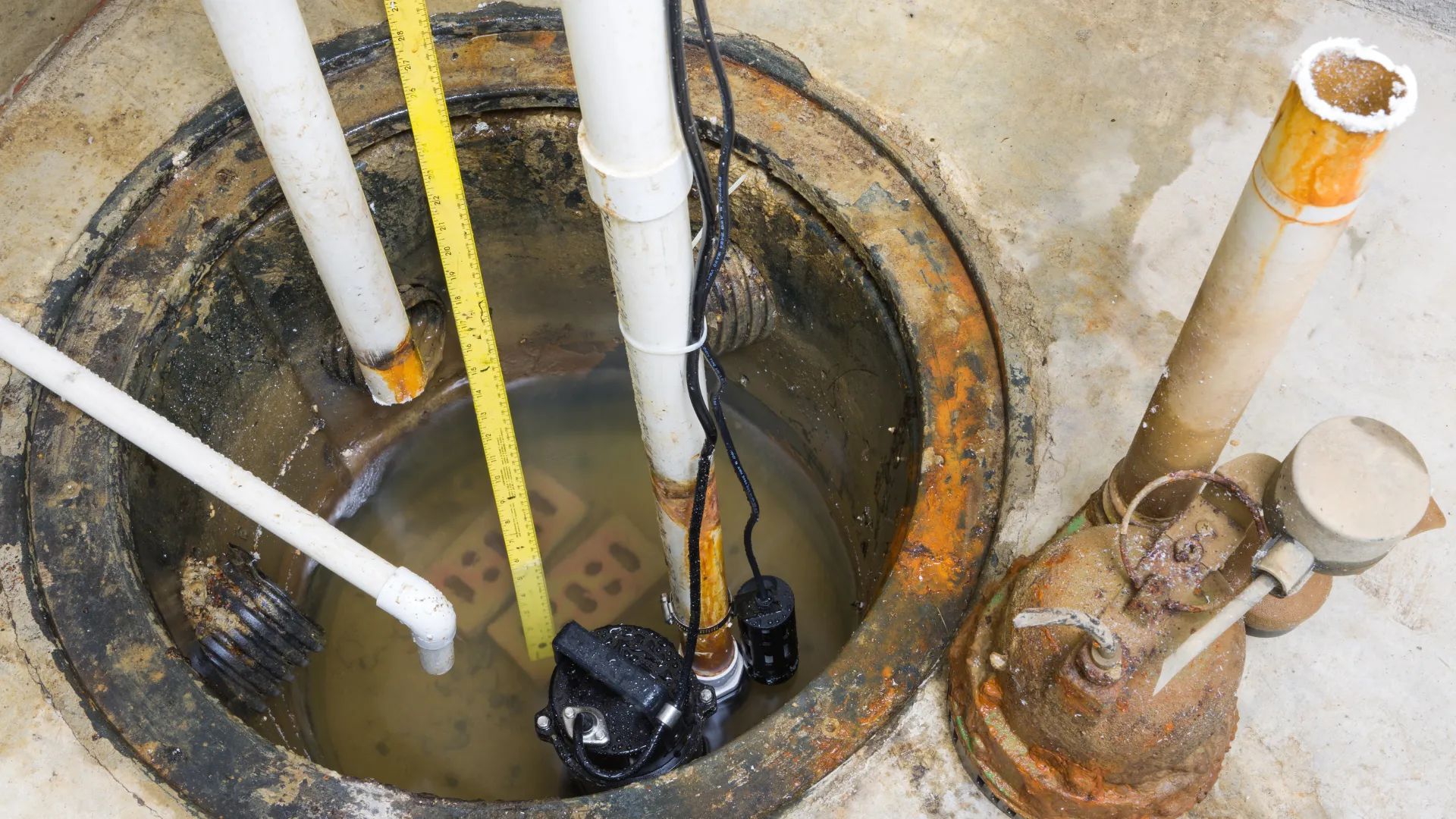
Despite initial strength, cast iron is not immune to deterioration. Continuous exposure to moisture, oxygen, and waste materials leads to gradual corrosion. Over decades, the inner lining becomes rough and uneven, creating an ideal environment for mineral deposits and debris accumulation. This aging process is inevitable and often goes unnoticed until problems escalate.
Why Older Homes Are More Vulnerable
Homes built several decades ago were not designed with modern water usage demands in mind. Increased appliance usage, higher water flow, and chemical cleaners accelerate pipe wear. Additionally, lack of routine maintenance in earlier years compounds the issue, leaving many systems heavily compromised today.
2. The Problem of Scale and Mineral Buildup
What Is Pipe Scaling?
Scaling refers to the accumulation of minerals such as calcium, magnesium, and iron along the interior walls of pipes. Hard water, common in many regions, significantly contributes to this buildup. Over time, these deposits harden and form thick layers that restrict water flow.
How Scale Affects Pipe Performance
As scaling increases, the effective diameter of the pipe decreases. This restriction leads to slower drainage, frequent clogs, and increased pressure within the system. The rough interior surface also traps debris more easily, worsening the problem with each passing year.
The Role of Corrosion in Buildup
Corrosion and scaling often work together. As rust forms on the pipe’s interior, it creates a porous surface that attracts and holds mineral deposits. This combination accelerates deterioration, weakening the pipe structure while reducing functionality.
Real-World Scenario
A homeowner experiencing slow drains in multiple fixtures may initially assume minor clogs. However, repeated snaking or chemical treatments provide only temporary relief. The underlying issue often lies in heavily scaled cast iron pipes that require professional decalcification rather than surface-level fixes.
3. Signs That Indicate the Need for Decalcification
Persistent Slow Drains
When water drains slowly despite regular cleaning, it often indicates internal buildup rather than isolated blockages. This is one of the earliest signs that scaling has become significant.
Recurring Clogs and Backups
Frequent clogs in sinks, tubs, or toilets suggest that debris is consistently getting trapped inside rough pipe surfaces. In severe cases, wastewater may back up into living spaces, creating health hazards.
Unpleasant Odors
Foul smells emanating from drains can result from organic material trapped within scaled pipes. As waste accumulates and decomposes, it produces persistent odors that are difficult to eliminate without addressing the root cause.
Gurgling Sounds in Plumbing
Air pockets caused by restricted flow often produce gurgling noises. This indicates that water is struggling to pass through narrowed sections of the pipe, a common symptom of heavy scaling.
Increased Maintenance Frequency
If plumbing systems require frequent service calls, it may signal a deeper issue. Repeated minor fixes without long-term improvement often point to internal pipe deterioration.
4. Benefits of Cast Iron Pipe Decalcification
Restoring Full Pipe Diameter
Decalcification removes hardened mineral deposits, restoring the original diameter of the pipe. This allows water to flow freely, improving drainage efficiency across the entire system.
Extending Pipe Lifespan
By eliminating scale and reducing corrosion, decalcification helps preserve the structural integrity of cast iron pipes. This can significantly delay the need for costly pipe replacement.
Improving Overall Plumbing Performance
Clear pipes reduce the likelihood of clogs, backups, and pressure-related issues. Homeowners experience smoother operation and fewer disruptions in daily activities.
Cost-Effective Alternative to Replacement
Replacing cast iron plumbing systems can be expensive and invasive. Decalcification offers a more affordable solution that addresses the root problem without extensive construction work.
Enhancing Property Value
Well-maintained plumbing systems are a key factor in property value. Addressing pipe issues proactively can make a home more attractive to potential buyers and reduce inspection concerns.
5. Methods and Best Practices for Effective Decalcification
Mechanical Descaling Techniques
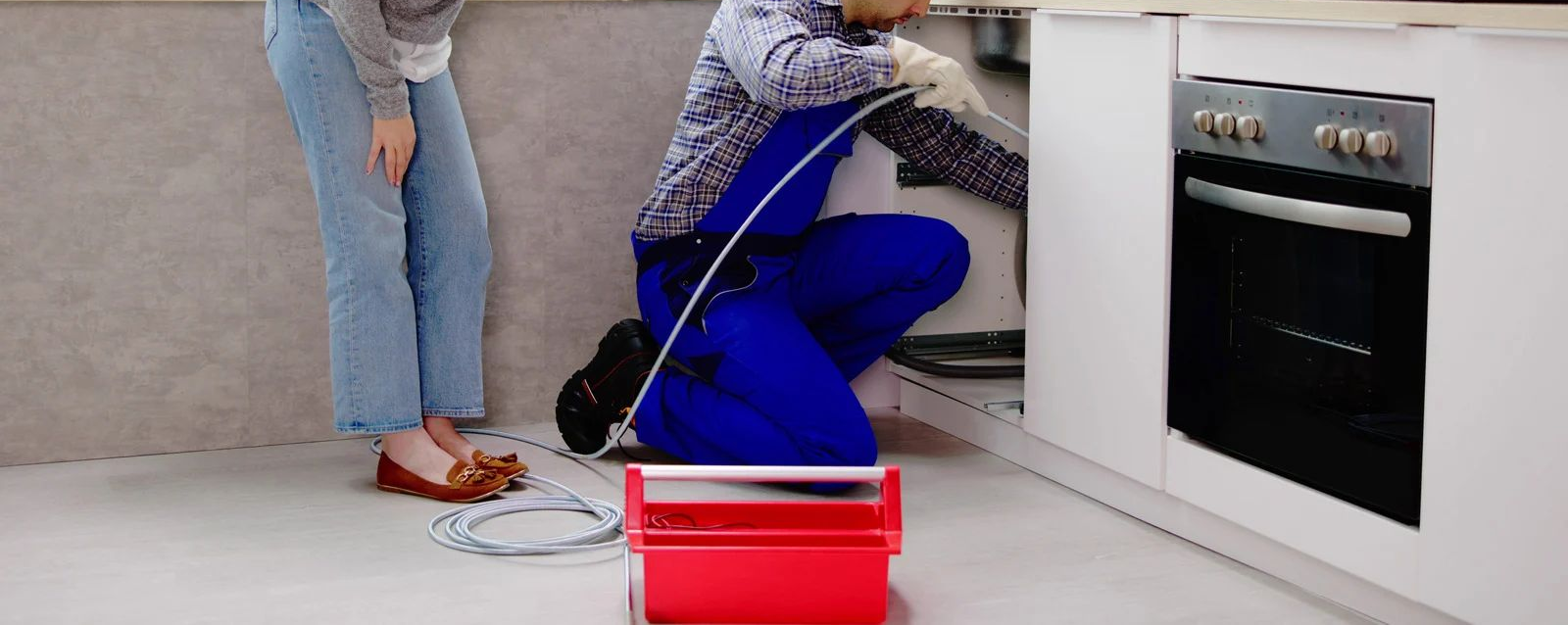
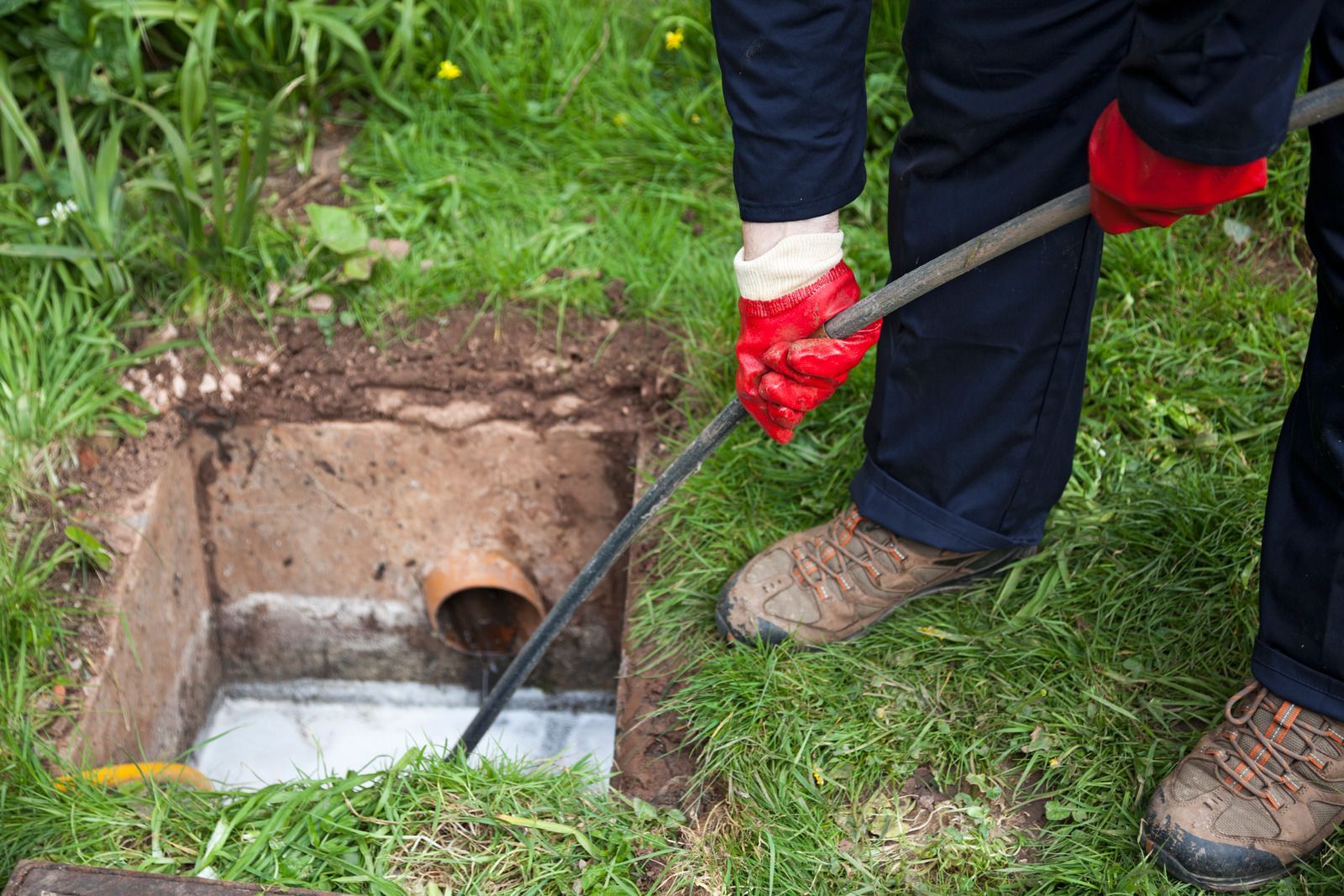
Professional plumbers often use specialized tools to physically remove scale from pipe interiors. This process involves rotating chains or blades that break apart hardened deposits without damaging the pipe.
Hydro Jetting for Thorough Cleaning
High-pressure water jetting is one of the most effective methods for clearing debris and residue after mechanical descaling. It ensures that loosened materials are fully flushed out, leaving pipes clean and functional.
Avoiding Harsh Chemical Solutions
Chemical cleaners may offer temporary relief but can accelerate pipe corrosion. Overuse of these products weakens cast iron and contributes to long-term damage. Mechanical and water-based methods are safer and more effective.
Routine Maintenance Scheduling
Regular inspections and maintenance prevent severe buildup from recurring. Scheduling periodic cleaning helps maintain optimal pipe condition and reduces the risk of emergencies.
Professional Assessment and Expertise
Accurate diagnosis is essential before performing decalcification. Camera inspections allow plumbers to assess the extent of buildup and determine the most appropriate approach. Professional expertise ensures safe and effective results.
6. Challenges and Considerations in Older Plumbing Systems
Structural Weakness in Aging Pipes
In some cases, pipes may be too deteriorated to withstand aggressive cleaning methods. Identifying weak points is crucial to avoid causing leaks or breaks during the process.
Accessibility Issues
Older homes often have plumbing systems located in hard-to-reach areas. This can make inspection and maintenance more complex, requiring specialized equipment and techniques.
Balancing Repair vs. Replacement
While decalcification is highly effective, there are situations where replacement becomes necessary. Severe corrosion, cracks, or collapses may require more extensive solutions.
Importance of Early Intervention
Delaying maintenance allows scaling and corrosion to worsen, increasing the likelihood of costly repairs. Early intervention ensures that decalcification remains a viable and effective option.
Expert Insight
Professionals emphasize that proactive care is the key to maintaining cast iron systems. Addressing minor issues early prevents them from evolving into major plumbing failures, saving time, money, and inconvenience.
Maintaining older homes requires a proactive approach, especially when it comes to aging plumbing systems. Cast iron pipes, while durable, are highly susceptible to scaling, corrosion, and internal buildup over time. These issues not only disrupt daily functionality but also increase the risk of costly repairs if left unaddressed. Decalcification serves as a practical and effective solution, restoring pipe performance, extending lifespan, and preventing recurring problems. By recognizing early warning signs and investing in proper maintenance, homeowners can preserve the integrity of their plumbing systems and avoid unnecessary replacements.
Taking action at the right time ensures long-term reliability and efficiency. With the right methods and professional expertise, cast iron pipes can continue to function effectively for years. Prioritizing decalcification is not just a maintenance step—it is a strategic investment in the longevity and value of older homes
Trusted Experts Delivering Reliable Cast Iron Pipe Solutions
When it comes to maintaining and restoring aging plumbing systems, experience and precision make all the difference. At Ready Jetter Plumbing, we specialize in expert drain cleaning and hydro jetting solutions designed to tackle even the toughest buildup inside cast iron pipes. With 25 years of hands-on experience serving Macomb, Michigan, we understand the unique challenges that older homes face and provide targeted solutions that deliver lasting results.
Our approach focuses on advanced techniques such as professional descaling and high-pressure hydro jetting, ensuring that mineral deposits, rust, and debris are thoroughly removed without compromising pipe integrity. We prioritize accuracy through detailed inspections, allowing us to recommend the most effective course of action for each system. This commitment helps homeowners avoid unnecessary replacements while restoring optimal performance.
We believe in delivering reliable, efficient, and long-term plumbing solutions backed by proven expertise. By choosing our services, homeowners gain confidence knowing that their plumbing system is in capable hands. Whether addressing recurring clogs or preventing future issues, our team is dedicated to keeping drainage systems running smoothly and efficiently for years to come.