How Michigan’s Weather Affects Your Plumbing System
Michigan’s weather is known for its extremes, from freezing winters and heavy snowfall to humid summers and fluctuating spring conditions. These rapid and often dramatic changes in temperature and moisture levels place a significant strain on residential and commercial plumbing systems. Pipes, drains, and water systems must constantly adapt to shifting environmental pressures, which can lead to wear, damage, and unexpected failures if not properly maintained. Understanding how climate impacts plumbing is essential for preventing costly repairs and maintaining long-term system efficiency.
In regions like Michigan, where seasonal transitions are pronounced, plumbing systems face unique challenges that demand proactive care and informed decision-making. Frozen pipes, ground shifting, increased water demand, and storm-related drainage issues are common concerns that property owners must address. By recognizing how each season influences plumbing performance, we can implement effective strategies to protect infrastructure, conserve water, and ensure uninterrupted operation. This knowledge not only enhances system longevity but also supports safety, efficiency, and overall property value.
1. Winter Freezing Temperatures and Pipe Damage
The Risk of Frozen Pipes
Michigan winters bring prolonged periods of sub-freezing temperatures, creating one of the most serious threats to plumbing systems: frozen pipes. When water inside pipes freezes, it expands, increasing internal pressure and potentially causing pipes to crack or burst. This can result in significant water damage and expensive repairs, especially in older residential and commercial properties.
Pipes located in uninsulated areas such as basements, crawl spaces, garages, and exterior walls are particularly vulnerable. Even a small drop in temperature can cause standing water in these pipes to freeze quickly, especially overnight during sudden temperature drops and cold weather fronts.
Preventative Measures for Cold Weather
To protect plumbing during winter, insulation is essential. Wrapping exposed pipes with foam insulation or heat tape can significantly reduce the risk of freezing. Keeping indoor temperatures consistent and allowing faucets to drip slightly during extreme cold can also help prevent pressure buildup and internal pipe stress issues.
Sealing cracks and gaps around windows, doors, and foundations minimizes cold air infiltration. Additionally, disconnecting outdoor hoses and shutting off exterior water supplies prevents freezing in outdoor plumbing fixtures and reduces long-term seasonal damage risks effectively.
2. Spring Thaw and Ground Movement Challenges
Soil Expansion and Pipe Shifting
As temperatures rise in spring, frozen ground begins to thaw, leading to soil expansion and movement. This shifting ground can place stress on underground pipes, causing misalignment, cracks, or joint separations. Sewer lines are particularly susceptible to this type of damage due to their depth and placement underground.
Excess moisture from melting snow further saturates the soil, increasing pressure on buried pipes. Over time, this can weaken pipe integrity and lead to leaks or blockages, especially in aging plumbing systems with older materials and joints.
Increased Risk of Drainage Issues
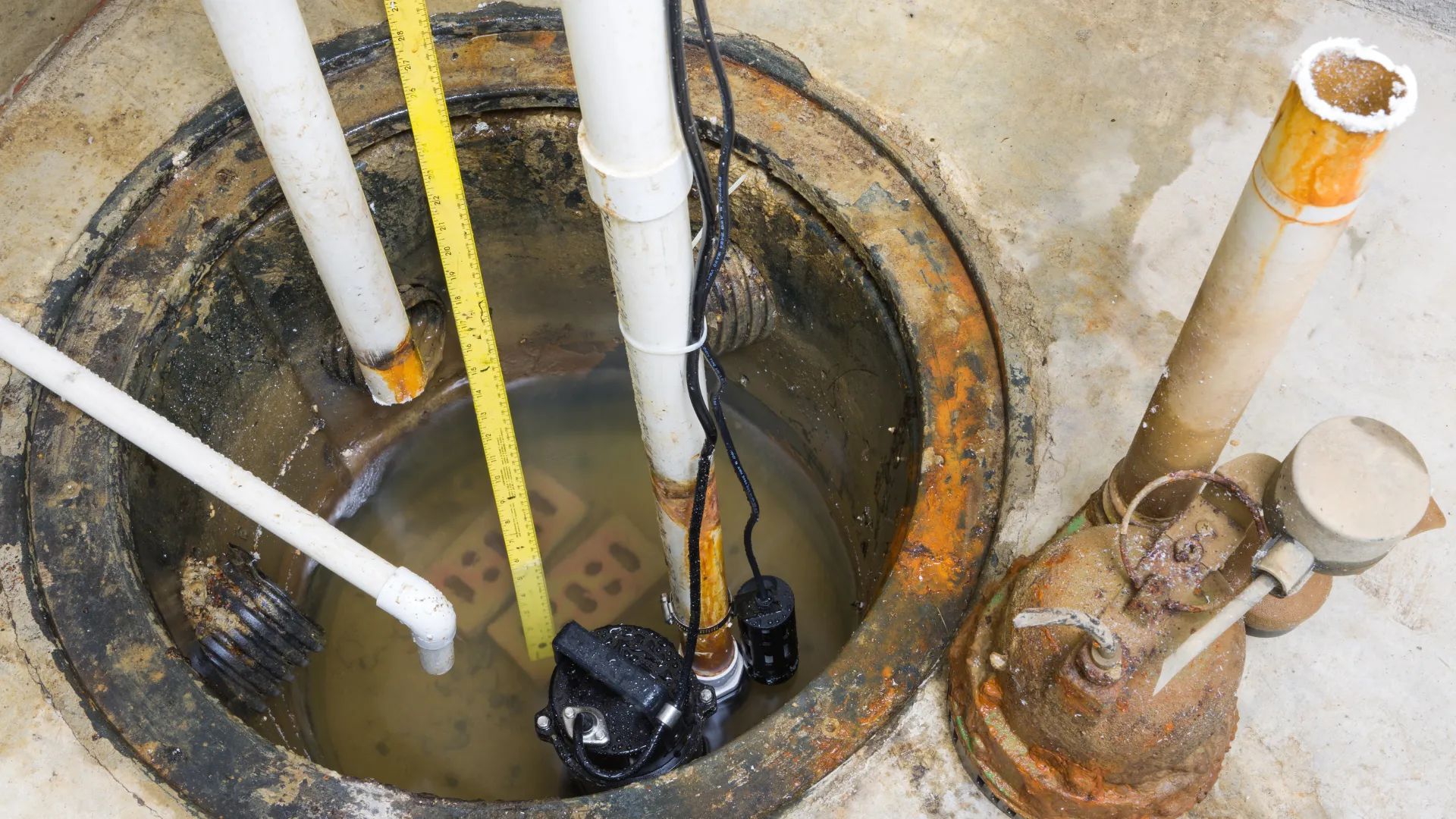
Spring also brings heavy rainfall, which can overwhelm drainage systems. When the ground is already saturated, excess water has nowhere to go, leading to backups in sump pumps and basement drains. This can result in flooding and water damage if systems are not properly maintained or inspected regularly.
Best Practices for Spring Maintenance
Regular inspection of underground lines using camera technology helps identify early signs of damage. Cleaning gutters and ensuring proper grading around the property directs water away from the foundation and prevents water accumulation near structural areas.
Maintaining sump pumps and installing backup systems ensures reliable operation during heavy rainfall. These proactive steps reduce the risk of seasonal plumbing disruptions and protect homes from unexpected water-related emergencies effectively.
3. Summer Heat and Increased Water Usage
Impact of Heat on Plumbing Systems
While summer may seem less threatening, high temperatures can still affect plumbing systems. Heat causes pipes to expand, which can weaken joints over time and increase the likelihood of leaks. Additionally, prolonged exposure to sunlight can degrade outdoor pipes and fixtures, especially those made from lower-grade materials.
Higher Demand on Water Systems
Summer often brings increased water usage due to activities such as lawn irrigation, pool filling, and outdoor cleaning. This added demand can strain plumbing systems, especially older infrastructure that may already have underlying issues and reduced efficiency levels.
Increased usage can also expose hidden leaks or inefficiencies, leading to higher water bills and unnecessary waste, which can significantly impact long-term utility costs and system performance over time.
Efficient Water Management Strategies
Installing water-efficient fixtures and monitoring usage helps reduce strain on plumbing systems. Routine inspections during summer months can identify minor issues before they escalate into more serious and costly plumbing concerns.
Using programmable irrigation systems ensures controlled water usage, preventing overloading of pipes and maintaining system balance across residential and commercial properties during peak seasonal demand periods.
4. Autumn Preparation and Seasonal Transition
Preparing Plumbing for Colder Months
Autumn serves as a critical transition period for preparing plumbing systems for the upcoming winter. Neglecting this preparation can leave systems vulnerable to freezing temperatures and costly damage during extreme cold weather conditions.
Draining and shutting off outdoor water lines, inspecting insulation, and checking for leaks are essential tasks during this season to ensure complete readiness for harsh winter temperatures ahead.
Addressing Existing Issues Before Winter
Small plumbing issues such as minor leaks or slow drains can worsen during winter due to freezing conditions. Addressing these problems early ensures system reliability and prevents emergencies during colder months when repairs become more difficult.
Seasonal Maintenance Checklist
A comprehensive fall maintenance routine includes:
Inspecting pipes for cracks or corrosion that may worsen over time
Testing water heaters for efficiency and consistent performance
Cleaning drains to prevent blockages and buildup issues
Checking insulation on exposed pipes for adequate protection
Taking these steps ensures a smooth transition into winter and reduces the likelihood of unexpected failures while improving overall plumbing system performance and long-term durability.
5. Heavy Rainfall and Stormwater Impact
Overloaded Drainage Systems
Michigan experiences periods of intense rainfall, particularly during spring and summer storms. Excess water can overwhelm municipal drainage systems, leading to backups in residential plumbing and increased pressure on sewer infrastructure systems.
When stormwater mixes with wastewater in combined sewer systems, it increases the risk of sewer backups into homes and businesses, creating serious health hazards and property damage concerns.
Basement Flooding and Water Damage
Heavy rainfall can lead to basement flooding, especially in properties with inadequate drainage or aging infrastructure. Water entering through foundation cracks or overwhelmed sump systems can cause structural damage and mold growth, leading to expensive restoration and repair costs.
Stormwater Management Solutions
Installing backwater valves prevents sewage from flowing back into the property during heavy storms. Maintaining sump pumps and ensuring proper drainage around the foundation are critical preventive measures for long-term protection and efficiency.
Regular inspection and cleaning of drains and sewer lines improve flow capacity and reduce the risk of backups during high rainfall events, ensuring consistent system performance even under extreme weather conditions.
6. Long-Term Effects of Seasonal Wear and Tear
Gradual System Degradation
Michigan’s cyclical weather patterns contribute to long-term wear and tear on plumbing systems. Repeated expansion and contraction of pipes due to temperature fluctuations weaken materials over time, leading to cracks, leaks, and reduced efficiency in both residential and commercial plumbing systems.
Mineral buildup from hard water, combined with seasonal stress, further accelerates deterioration and can restrict water flow, impacting overall system functionality and long-term operational performance significantly.
Importance of Routine Maintenance
Consistent maintenance is essential for extending the lifespan of plumbing systems. Regular inspections, cleaning, and timely repairs prevent minor issues from developing into major problems that require costly and time-consuming repairs.
Professional assessments using advanced diagnostic tools provide accurate insights into system health and performance, helping identify hidden issues before they escalate into serious plumbing failures or emergencies.
Investing in Durable Solutions
Upgrading to modern piping materials and installing advanced drainage systems improves resilience against environmental stress and seasonal weather variations common in Michigan’s climate conditions.
High-quality materials are better equipped to withstand temperature changes and reduce the risk of failure, ensuring long-term durability and improved system efficiency across all plumbing components.
Preventative maintenance plans ensure consistent performance and long-term reliability, making them a valuable investment for property owners seeking to protect their plumbing systems effectively over time.
Certified Specialists Delivering High-Performance Plumbing System Care
When plumbing systems face the constant stress of Michigan’s changing weather, having a dependable expert makes all the difference. At Ready Jetter Plumbing, we bring 25 years of specialized experience in expert drain cleaning and hydro jetting, delivering solutions designed to withstand seasonal challenges and maintain peak performance. Our approach focuses on precision, efficiency, and long-term reliability, ensuring every system operates at its best regardless of environmental conditions.
We understand how debris buildup, root intrusion, and weather-related damage can compromise drainage systems over time. Using advanced hydro jetting technology, we clear blockages thoroughly and restore optimal flow without causing damage to pipes. This method not only resolves immediate issues but also helps prevent future problems, making it an effective solution for maintaining system health.
Our commitment to quality service and customer satisfaction drives every project. We prioritize accurate diagnostics, transparent communication, and tailored solutions that
address specific plumbing concerns. By combining industry expertise with modern techniques, we ensure dependable results that protect properties and provide peace of mind throughout every season.