Best Drain Maintenance Tips for Macomb County Homeowners
Quick Answer: The best drain maintenance for a Macomb County home combines daily habits and periodic upkeep. Keep fats, oils, and grease out of the sink, use strainers on every drain, and run hot water after each use to move residue along. Once a month, treat drains with an enzyme cleaner rather than a caustic chemical, which is gentler on the older cast-iron and clay pipe common in this area. Schedule a professional drain cleaning about once a year, sooner if you notice slow drains or gurgling. This routine matters more here because local hard water leaves calcium and magnesium scale inside pipes that narrows them over time.
The sink in a 1960s Sterling Heights ranch does not clog overnight. It starts with a plate you scrape into the drain instead of the trash, a little cooking grease rinsed down with hot water, a winter of coffee grounds and vegetable peels sent through your disposal. Months later the water in the kitchen sink sits a beat too long before it goes down, then a beat longer, and one evening it backs up while you are rinsing dishes. Almost none of that had to happen. Drains fail in slow motion, which means the habits you keep between problems decide whether you ever have one.
Macomb and Oakland County homes make drain maintenance a little more demanding than the generic advice you find online. A lot of the housing stock is older, with original cast-iron and clay pipe still in the ground. The regional water is hard, so every drop leaves mineral behind. And the freeze-thaw cycle stresses buried lines season after season. A maintenance routine built around those local realities keeps your pipes flowing and buys you years before you ever need a serious repair.
Why Older Macomb County Homes Need a Real Maintenance Routine
The plumbing under an older home in this area is working against two things at once: its own age and the local water. Cast-iron drain lines corrode from the inside as the decades pass, and the rough, rusted interior gives passing debris something to catch on. Clay pipe joints shift and separate. Neither material is as forgiving as modern PVC, and both reward an owner who keeps buildup from accumulating in the first place.
Hard water makes the problem worse in a way many homeowners never connect to their drains. Macomb and Oakland County water carries dissolved calcium and magnesium, and those minerals deposit as scale on the inside of drain lines, especially at bends and transition points where flow slows down. That scale does two things. It narrows the effective diameter of the pipe, so there is simply less room for water to pass. And it creates a rough surface that grease, hair, and food particles cling to, which speeds up the next blockage. In an already-aging cast-iron or clay line, scale and organic buildup compound each other. This is why a house that never had a drain issue in its first thirty years can suddenly develop recurring clogs.
Understanding that gives your maintenance a clear target. You are not just clearing today's gunk. You are slowing the rate at which mineral and organic buildup narrow your pipes.
Kitchen Habits That Keep Your Drains Clear
The kitchen sink causes more preventable drain calls than any other fixture, and the reason is almost always fats, oils, and grease. Plumbers group them together as FOG. When you rinse warm bacon grease or pan drippings down the drain, it looks like a liquid going down easily. A few feet into a cool pipe it congeals back into a solid, coats the pipe wall, and starts trapping every bit of food and hair that floats past. Over time it builds into a dense plug that neither hot water nor a household plunger will move.
The fix costs nothing. Let grease cool in the pan, then scrape it into a can or jar and put it in the trash. Wipe greasy pans with a paper towel before they ever reach the sink. Keep this up and you remove the single biggest cause of kitchen drain failure.
Be Careful What The Disposal Handles
A garbage disposal grinds food, but it does not make everything safe for your pipes. Coffee grounds, eggshells, and shellfish shells do not break down quickly and tend to settle and accumulate in the line. Fibrous vegetables like celery, onion skins, and corn husks wrap around the blades and knit into stringy mats. Starchy foods such as pasta and rice keep swelling with water after they leave the disposal. Send those to the trash or compost, run cold water while the disposal is on, and let it run a few seconds after the food is gone to carry particles down the line rather than leaving them to sit.
Rinse With Hot Water, But Know Its Limits
A good habit is to run hot tap water for fifteen or twenty seconds after doing dishes, which helps move light residue along before it settles. Just be aware that this moves grease, it does not eliminate it, so it is a supplement to keeping FOG out of the drain, not a substitute.
Bathroom Drain Maintenance Most People Skip
Bathroom drains clog for a different reason: hair bound together with soap scum. Every shower sheds hair that catches on the slightly rough interior of an older pipe, and soap and conditioner residue cements it in place. Hard water compounds this too, because minerals in the water react with soap to leave a sticky film that hair adheres to.
The most effective thing you can do takes five dollars and no skill. Put a mesh or silicone strainer over every tub, shower, and bathroom sink drain, and empty it into the trash regularly. Catching hair before it enters the pipe prevents the majority of bathroom clogs outright. Once a week, pull the strainer and flush the drain with hot water to move soap residue along. If your bathroom sink drains slowly, the culprit is often the pop-up stopper, which collects a surprising amount of hair and grime just below the surface. Pulling it, cleaning it, and reseating it takes a few minutes and restores flow without any chemicals at all.
The Right Way to Treat and Flush Your Drains
How you treat drains between deep cleanings matters, and this is where a lot of well-meaning homeowners do more harm than good.
Choose enzyme treatments over caustic chemicals. Chemical drain openers work through a violent reaction. Lye and sulfuric acid formulas generate real heat as they eat through a clog. In new PVC that may be acceptable, but in a corroded cast-iron line with thinned walls and aging joints, pouring in something that heats up and attacks metal is a gamble on pipe you cannot see. Enzyme drain treatments take the opposite approach. They use live bacteria and enzymes to digest organic material slowly, over hours, without heat and without corroding the pipe. They break down grease and food residue rather than hair, so they are a maintenance tool, not an emergency fix. Used about once a month, poured in at night and left to sit while no one runs water, an enzyme treatment keeps organic buildup from taking hold in the first place.
Tip: When you use an enzyme treatment, apply it before bed and avoid running water for six to eight hours so the bacteria have time to work. Flushing it early with a rush of water washes the treatment down the line before it can digest anything.
Go easy on the boiling-water trick. Pouring boiling water down a drain is common advice for grease, and on metal pipe it does little harm. But PVC pipe and plastic fittings can soften and their joints can loosen under repeated blasts of water at a full boil. In a home with plastic drain lines or plastic connectors under the sink, use hot tap water rather than water straight off the stove for routine flushing, and save any hotter treatment for occasional use.
Seasonal and Whole-Home Drain Care
A few tasks belong on a seasonal or yearly rhythm rather than a daily one.
Keep infrequently used drains from drying out
Floor drains in the basement, laundry tubs, and guest-bathroom fixtures have a U-shaped trap that holds water to block sewer gas. When a drain sits unused for weeks, that water evaporates and the barrier disappears, which is why a rarely used basement floor drain sometimes smells like sewage. Pour a bucket of water into those drains every couple of months to refill the trap.
Manage The Hard Water At Its Source
Because scale is such a driver of buildup here, a working water softener does more than protect your water heater and fixtures. Softened water deposits far less calcium and magnesium inside your drain lines, which slows the mineral narrowing described earlier. If you already have a softener, keep it maintained and stocked with salt. If you do not, it is worth considering for the sake of your whole plumbing system, not just your drains.
Book A Professional Cleaning About Once A Year
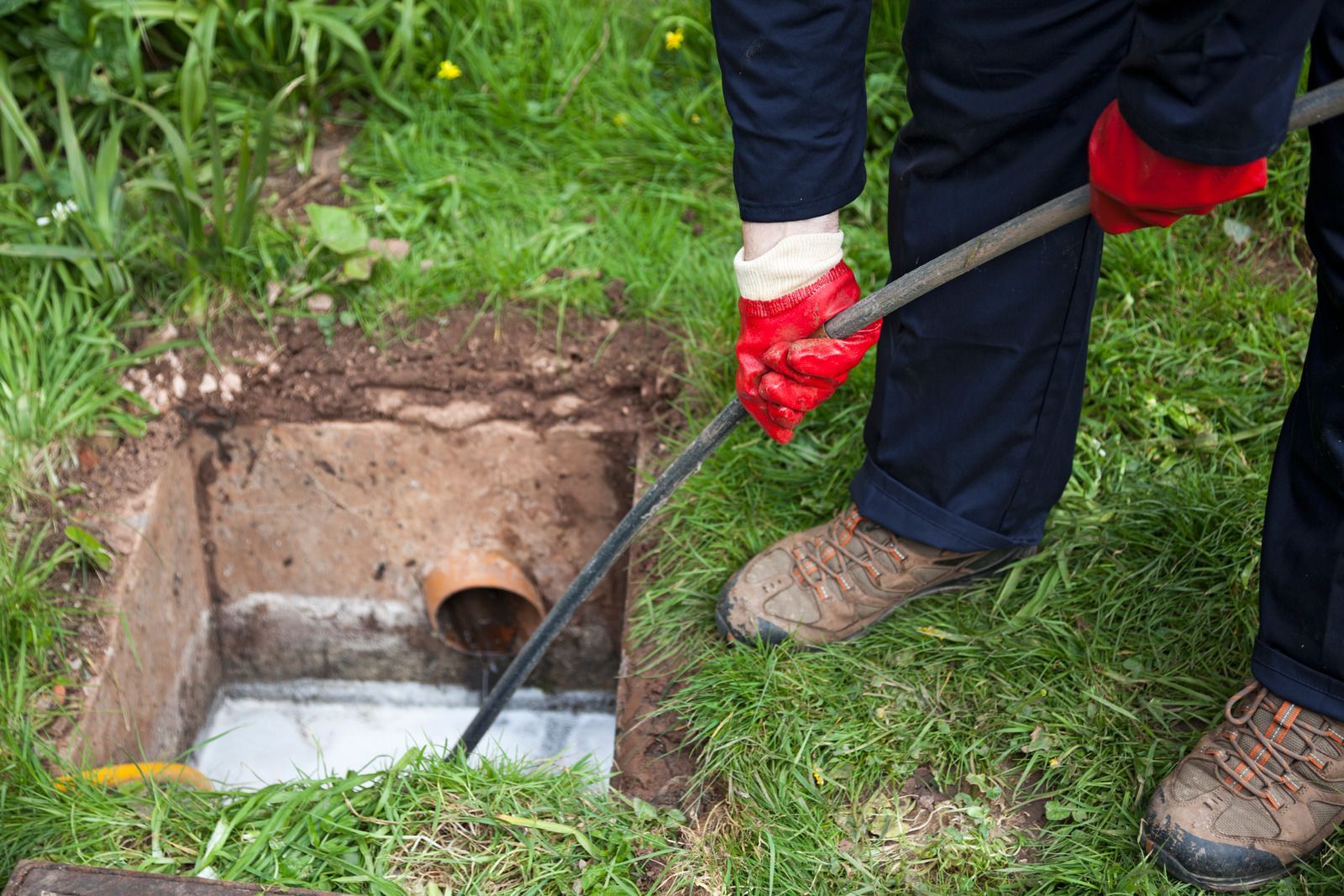
Household habits keep the surface clear, but they cannot reach hardened scale and grease bonded deep in the line. A yearly professional drain cleaning, done with a camera inspection so the technician can see exactly what is in your pipes, removes buildup that no home method touches. For homes with a history of scale or a main line running under mature trees, a periodic hydro jetting, which scours the full inside diameter of the pipe with high-pressure water, resets the line closer to its original capacity.
Warning:
If more than one fixture backs up at the same time, or a lower drain gurgles or overflows when you run water elsewhere, stop using water and call a professional. That pattern points to a blockage in the main sewer line, not a single fixture, and running more water can push sewage up into the lowest drains in the house.
Signs Your Maintenance Routine Needs Backup
Good habits reduce problems, they do not eliminate every warning sign, and knowing what the early signals mean lets you act before a clog becomes a backup. Water that drains slower than it used to across several fixtures usually means buildup narrowing the lines, not a single clog. A gurgling sound from a drain points to air trapped behind a partial blockage or a venting issue. Recurring clogs in the same drain, especially ones that clear for a few days and return, almost always mean the real obstruction is deeper in the line than a plunger or store-bought product can reach. And a persistent sewer odor that a trap refill does not fix deserves a look with a camera. Catching any of these early is the difference between a routine cleaning and an emergency.
Frequently Asked Questions
How often should I have my drains professionally cleaned in Macomb County?
About once a year for most homes, and more often if you have older cast-iron or clay pipe, a history of hard-water scale, or large trees near your sewer line. An annual cleaning paired with a camera inspection catches buildup while it is still easy to clear.
Are store-bought chemical drain cleaners bad for my pipes?
They can be, especially in older homes. Caustic lye and acid cleaners generate heat and are hard on corroded cast iron and aging joints. For routine maintenance, an enzyme-based treatment is gentler and keeps organic buildup from forming without the risk to fragile pipe.
Does a water softener really help my drains?
Yes, indirectly. Softened water deposits far less calcium and magnesium scale inside drain lines, and since that scale narrows pipes and gives buildup a surface to cling to, reducing it slows the whole process. A softener protects your drains along with your water heater and fixtures.
Why does my drain clog again a few days after I clear it?
A clog that returns quickly usually means the blockage was never fully removed. A plunger or liquid cleaner clears a small channel through the obstruction, water flows for a while, then debris reseals it. The real mass, often grease or scale bonded to the pipe wall, sits deeper in the line and needs professional cleaning to remove completely.
Is it safe to pour boiling water down my drain?
On metal pipe, occasional boiling water is fine. On PVC pipe and plastic fittings, repeated boiling water can soften the plastic and loosen joints over time. For regular flushing, hot tap water is the safer choice.
What is the one habit that prevents the most clogs?
Keeping fats, oils, and grease out of your drains entirely. FOG is the leading cause of kitchen drain failure, and unlike hair or scale, it costs nothing to avoid. Scrape grease into the trash and wipe pans before washing.
Small Habits That Keep Macomb Drains Flowing Freely
Drain maintenance rewards consistency far more than effort. Grease scraped into the trash, strainers over every drain, hot water after the dishes, an enzyme treatment once a month, and a yearly professional cleaning add up to pipes that keep flowing. None of it takes special skill or real expense. It works because each habit interrupts buildup while it is still soft and easy to move along. The homeowners who never deal with a backup are rarely lucky. They are simply ahead of it.
An older Macomb, MI home asks a little more of its owner than a new build does, since hard water and original cast-iron or clay pipe are both working quietly against the line. Knowing that changes how you read a slow drain or a faint gurgle in the basement. Ready Jetter Plumbing
has spent 25
years watching those two forces shape local plumbing, and the pattern holds steady: the lines that last belong to owners who treat maintenance as routine rather than repair.