How Hydro Jetting Helps Prevent Basement Flooding in Michigan Homes
Quick Answer: Hydro jetting helps prevent one specific kind of basement flooding: the kind caused by a blocked or narrowed sewer line that forces wastewater back up through a floor drain, shower, or toilet. A jetting nozzle sends a pressurized stream of water through the existing drain line, cutting through grease, sludge, mineral scale, and small to moderate tree roots and washing them out of the pipe. That restores the full width of the line so household water keeps moving out of the house. It does not stop groundwater seeping through foundation walls, and it cannot fix a municipal sewer that is overwhelmed. A camera inspection before and after tells you what is in the pipe and whether the cleaning worked.
It is the third day of steady rain in Macomb County, the washing machine is on its second load, and you hear a low gurgle from the basement floor drain. Ten minutes later there is a dark ring of water around it, and it is growing. Nothing in the yard looks flooded, and the sump pump, if you have one, is not the thing making noise. This is wastewater with nowhere to go, and the cause is often sitting in the pipe long before the rain arrives.
Two Very Different Kinds of Basement Water
Before talking about what hydro jetting can do, it helps to separate the two things people mean when they say their basement flooded. The first is water coming in from outside: seepage through a cracked wall, water pushing up through the slab, or a window well that filled up. The second is water coming back out of your own plumbing: wastewater rising out of a floor drain, a basement bathroom, or a laundry standup pipe because the line leaving the house cannot carry it away.
Hydro jetting addresses the second kind. Every sink, tub, toilet, and washer in the house drains into one main line that leaves the property. If that line is partly blocked, the water you send down it slows down, stacks up, and eventually looks for the lowest opening in the house. In most homes that opening is a basement drain. The same restriction that makes a kitchen sink drain slowly in the morning becomes a basement backup when a heavy rain, a full laundry day, and a houseful of showers all hit the line at once.
That is why a line that seems to be working fine can still be a flooding risk. A pipe that is half full of scale and grease moves normal household flow without complaint. Ask it to move a surge, and there is no room left. The visible symptom shows up in the basement, but the cause is a narrowed pipe somewhere between your foundation and the street.
What Narrows a Sewer Line Over Time
A sewer line rarely closes all at once. It narrows a little at a time, and several things do the narrowing.
Grease And Sludge
Cooking fats, soap residue, and food particles cool as they travel through the pipe and cling to the walls. Each layer makes the surface rougher, which catches more material. Over years, a pipe with a full width opening can end up with a channel about the size of a garden hose.
Mineral Scale
Hard water leaves deposits along the inside of a drain line. On older cast iron pipe, the rough interior also forms its own buildup, which is why so many older homes in Warren, Roseville, and Sterling Heights have lines that drain slowly even though nothing obvious is stuck in them.
Tree Roots
Roots follow moisture, and a sewer line is a dependable source of it. A root finds a joint that has loosened after decades of freeze and thaw, works its way in, and then grows into a dense mat that catches everything else that passes by. Mature trees are common across Macomb and Oakland County neighborhoods, and the lines under those yards are often the original clay or cast iron.
Silt And Debris
Small amounts of soil and grit that enter through cracks and joints settle at low spots in the line and collect there.
Each of these is something hydro jetting is built to remove. A jetting nozzle clears grease, sludge, roots, hair, soap scum, mineral deposits, silt, and food particles from the line, and it does the work through the existing drain line without any excavation.
How Hydro Jetting Clears the Line
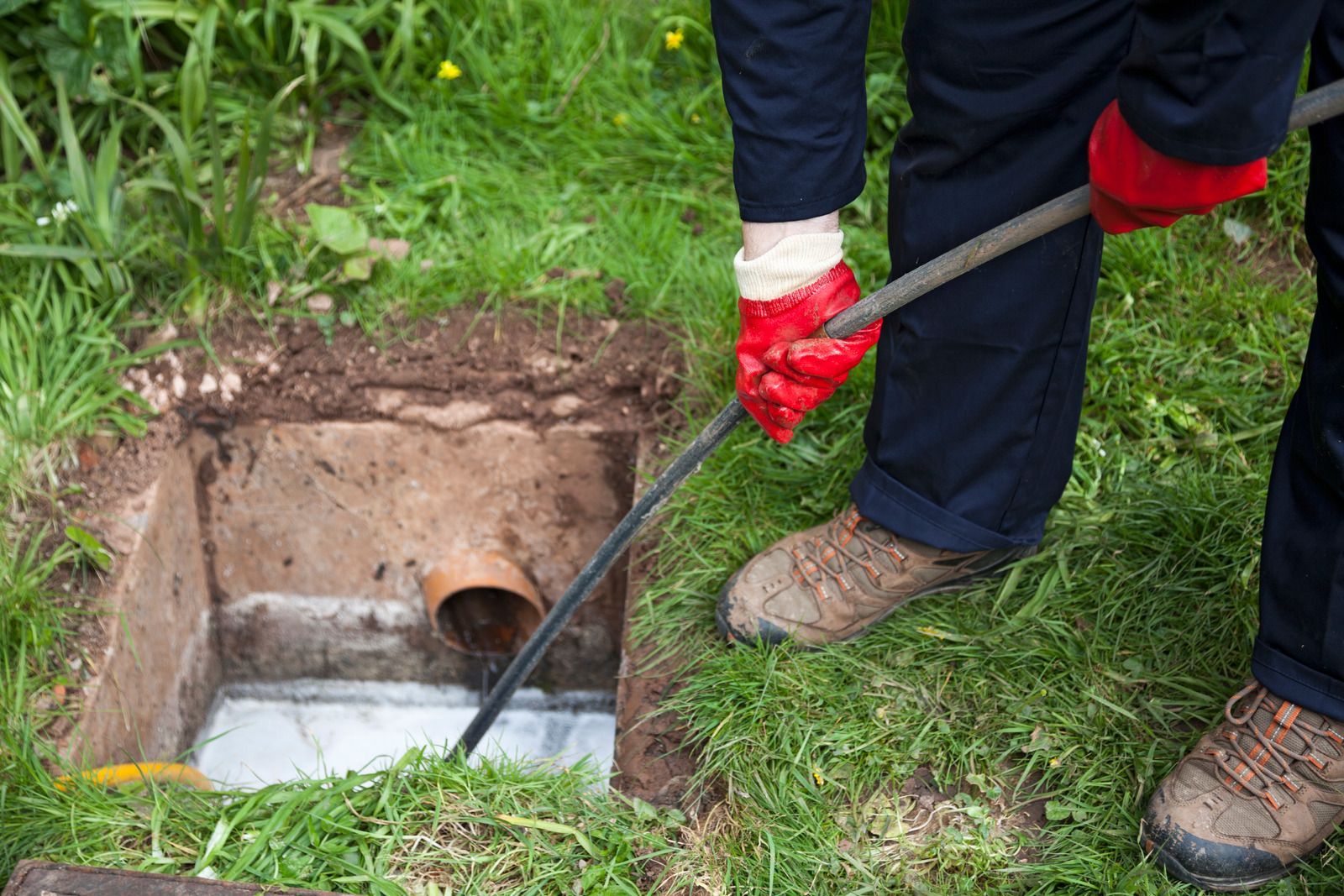
A technician feeds a nozzle on a hose into the drain line, usually through a cleanout, and steers it toward the blockage. Water leaves the nozzle under high pressure through jets that point both forward and backward. The forward jets break up whatever is in the way. The rear jets scour the pipe walls and push the loosened material back toward the opening, while also pulling the hose along the line.
This is different from a cable machine, which punches a hole through a clog. A cable can restore flow quickly, but it often leaves a coating of grease and scale on the pipe walls, and that coating is what rebuilds the problem. Jetting washes the walls, so the line comes back closer to its original width. A typical visit takes about 60 to 90 minutes, though a long or heavily built up line can take longer.
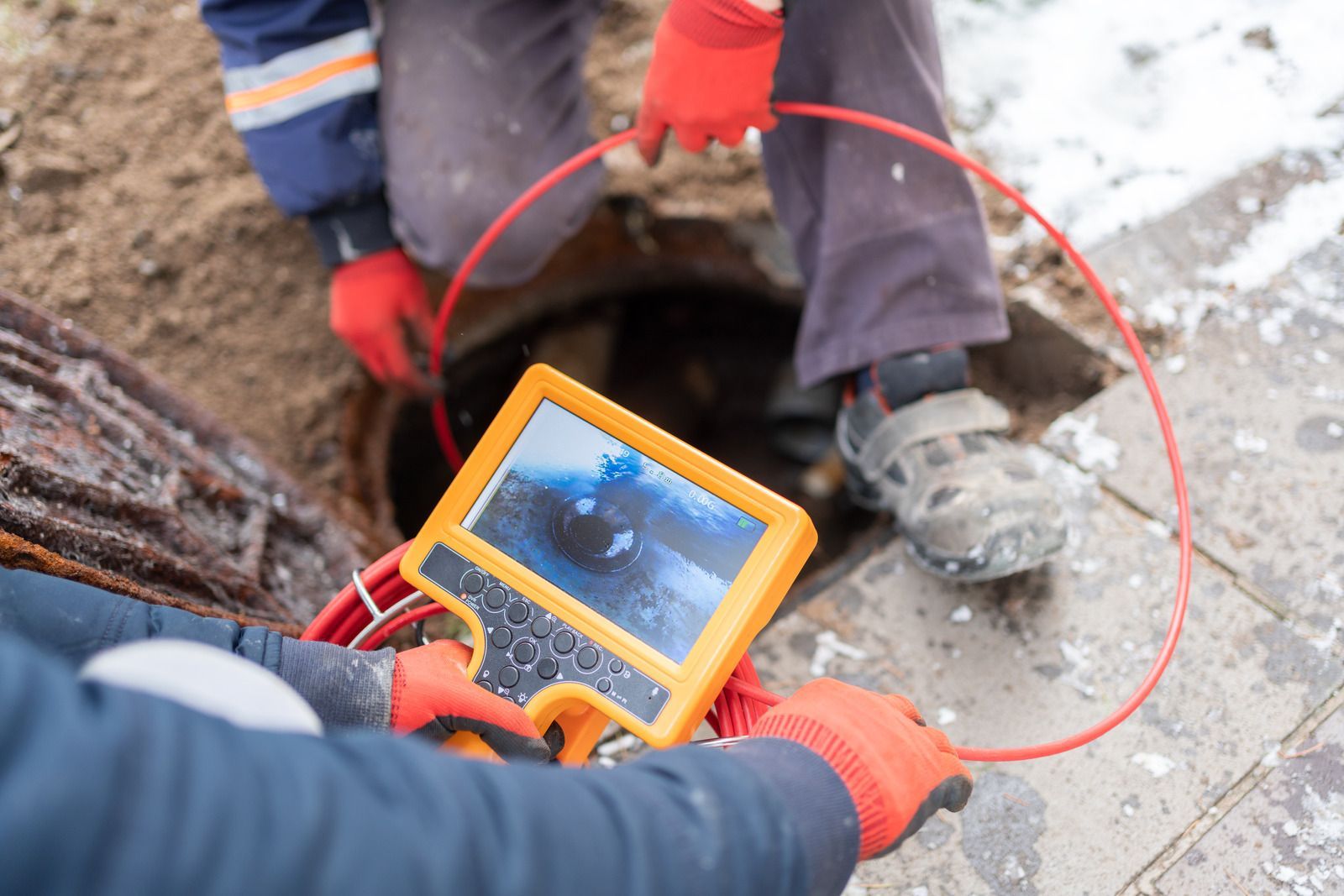
Tip: Ask for a camera view of the line before the jetting starts and again afterward. The first view shows what is actually restricting the pipe, and the second confirms the walls are clean and the pipe is in good enough shape to keep carrying flow.
Pressure is adjusted to the pipe. Jetting is considered safe for PVC, copper, and cast iron when the pressure is set for the condition of the pipe. That matters in older Michigan homes, where a line that has been carrying scale for forty years deserves a careful approach, not a maximum setting.
Why a Clean Line Matters Most Before Heavy Rain
Michigan weather puts the most strain on sewer lines at predictable times. Spring thaw and storm season send large volumes of water through municipal systems, and homes tied to those systems share capacity with their neighbors. A lot of households also run extra water during those same periods: laundry after a wet week, longer showers after yard work, and a dishwasher cycle on top.
A line that is clear of buildup has the best chance of moving that extra volume out of the house quickly. A line narrowed by grease and roots has almost none to spare. That is the reason hydro jetting tends to make the most sense as something done before a problem shows up, particularly in the fall before winter freezes the ground, or in late winter before the spring thaw.
There is a limit worth being honest about. If a municipal main is overloaded and pushes water back toward the houses connected to it, a spotless private line cannot prevent that. What jetting can do is make sure your side of the system is not the weak point. When a backup happens and your line is clean, the cause is easier to identify. When it happens and your line is full of roots and scale, the pipe is usually part of the story.
Signs Your Line May Be Heading Toward a Backup
You do not need to wait for water on the basement floor. A few early signs suggest the line is narrowing.
Drains in more than one part of the house that slow down at the same time are the clearest one, since they share the main line. A toilet that gurgles when the washing machine drains, or a basement floor drain that bubbles when someone upstairs runs a shower, means air and water are being pushed back by a restriction downstream. A sewage smell near a floor drain is another signal, and so is a clog that clears and then returns within a few weeks.
Older homes deserve extra attention. A house with original cast iron or clay lines and mature trees nearby has more ways for a line to narrow, and the narrowing tends to be gradual enough that no single event gets blamed.
Warning:
If water is already rising from a basement drain, stop running water in the house right away, including washers, dishwashers, and showers. Every additional gallon you send down a blocked line has to come out somewhere, and in most basements that somewhere is the floor.
When Jetting Is Not the Whole Answer
Hydro jetting clears what is inside the pipe. It does not repair the pipe itself. During cleaning, a technician can often spot weak points or cracks, and a camera inspection will show a collapsed section, a belly where water pools, or a joint that has pulled apart. Extensive roots may call for a mechanical root cutter, and severe root infiltration can mean the pipe needs repair or replacement.
If the camera shows damage, jetting becomes the first step instead of the last one. Clearing the line gives the crew a clean view of the pipe and prepares the surface for whatever repair comes next, such as patching or lining. Cleaning a damaged pipe without fixing the damage only buys time, and roots that entered through a crack will come back through the same crack.
This is also why the order matters. Jetting a line you have never looked at is a reasonable choice for a slow drain in an older home. Jetting a line that keeps backing up after repeated cleanings, without a camera to explain why, is guesswork.
Keeping the Line Clear Afterward
Once the pipe is clean, a few habits help it stay that way. Keep cooking grease, fats, and oils out of the kitchen drain and put them in the trash once they cool. Avoid flushing wipes, even ones labeled as flushable, since they catch on roots and rough spots and form clumps. Use a hair catcher in showers and tubs, and run hot water for a short while after washing greasy dishes.
Beyond habits, the schedule matters. Homes with large trees near the sewer path, original cast iron or clay pipe, or a history of slow drains do better with regular cleaning than with waiting for symptoms. The right interval depends on what the camera shows, which is why a first inspection gives you a baseline to work from.
Frequently Asked Questions
Can hydro jetting stop my basement from flooding?
It can stop the kind of flooding caused by a blocked or narrowed sewer line, where wastewater backs up through a floor drain or basement fixture. It does not stop groundwater from seeping through foundation walls or slabs, and it cannot correct a problem in a municipal sewer main.
How do I know the backup is from my sewer line and not groundwater?
Water from a sewer backup usually comes up through a drain, toilet, or shower, often with an odor, and it tends to show up when you are using water elsewhere in the house. Groundwater usually seeps in along walls or the floor edge after rain without any connection to your plumbing use. A camera inspection of the line can confirm whether your sewer line is restricted.
Is hydro jetting safe for older pipes?
The pressure is adjusted to the pipe's condition, and jetting is described as safe for PVC, copper, and cast iron. A camera inspection first helps the technician judge how fragile an older line may be before choosing settings.
How long does a hydro jetting visit take?
A typical visit runs about 60 to 90 minutes. A long line or one with heavy buildup can take longer, and the camera check after the cleaning is part of the visit.
Will tree roots grow back after jetting?
Roots can return if they entered through a crack or loose joint, because the pipe is still a source of moisture. Jetting cuts through small to moderate roots and clears them out. If the camera shows the pipe is damaged, a repair such as patching or lining addresses the entry point.
How often should an older Macomb County home have its main line cleaned?
There is no single schedule, since it depends on pipe material, nearby trees, and how the line looks on camera. Homes with original cast iron or clay pipe and mature trees nearby generally benefit from regular cleaning, and a first inspection helps set the interval.
Giving Wastewater a Clear Path Out
Most basement backups are the end of a slow process, not a sudden event. A sewer line narrows year after year until one heavy day asks more of it than it can handle. Clearing grease, scale, and roots restores the width the pipe was built with, and a camera check shows whether the pipe underneath is sound. Together, those steps give homeowners a clear picture of whether their side of the system is ready for the next storm, long before water reaches the floor.
Ready Jetter Plumbing
has served Macomb, MI for 25
years, and its crews have seen how older cast iron and clay lines behave under Michigan’s freeze and thaw cycles. Cleaning through the existing drain line, then confirming the result on camera, gives families a reliable baseline to plan around. When wastewater has somewhere to go, the basement stays dry and the household can get through a stormy week with far less worry.