Hydro Jetting vs. Snaking: Which Drain Cleaning Method is Best?
Drain maintenance is a crucial aspect of home and commercial property management, yet it is often overlooked until a significant problem arises. Clogged drains can disrupt daily routines, damage plumbing infrastructure, and result in costly repairs if not addressed promptly. Understanding the most effective drain cleaning methods is essential for homeowners, property managers, and plumbing professionals alike. Two of the most commonly used techniques in modern plumbing are hydro jetting and snaking. Both methods aim to restore proper water flow, but they operate in fundamentally different ways, making the choice between them critical for optimal results.
Hydro jetting employs high-pressure water streams to thoroughly remove debris, grease, and even mineral buildup, while snaking, also known as drain augering, mechanically breaks through clogs using a flexible cable. Selecting the appropriate method depends on factors such as the severity of the blockage, the age and type of pipes, and long-term maintenance goals. This blog explores the differences, advantages, challenges, and practical applications of hydro jetting and snaking. By providing clear insights and expert reasoning, it equips readers with the knowledge needed to make informed decisions for efficient, safe, and cost-effective drain cleaning.
Understanding Drain Cleaning Methods
What is Hydro Jetting?
Hydro jetting is a modern drain cleaning technique that uses a high-pressure stream of water, typically ranging from 1,500 to 4,000 PSI, to clear blockages and clean pipe interiors. The water flows through a specialized nozzle that directs jets in multiple directions, effectively scouring away debris, grease, and mineral deposits. Unlike traditional methods, hydro jetting does not merely move clogs downstream; it removes buildup entirely, restoring pipes to near-original condition.
What is Snaking?
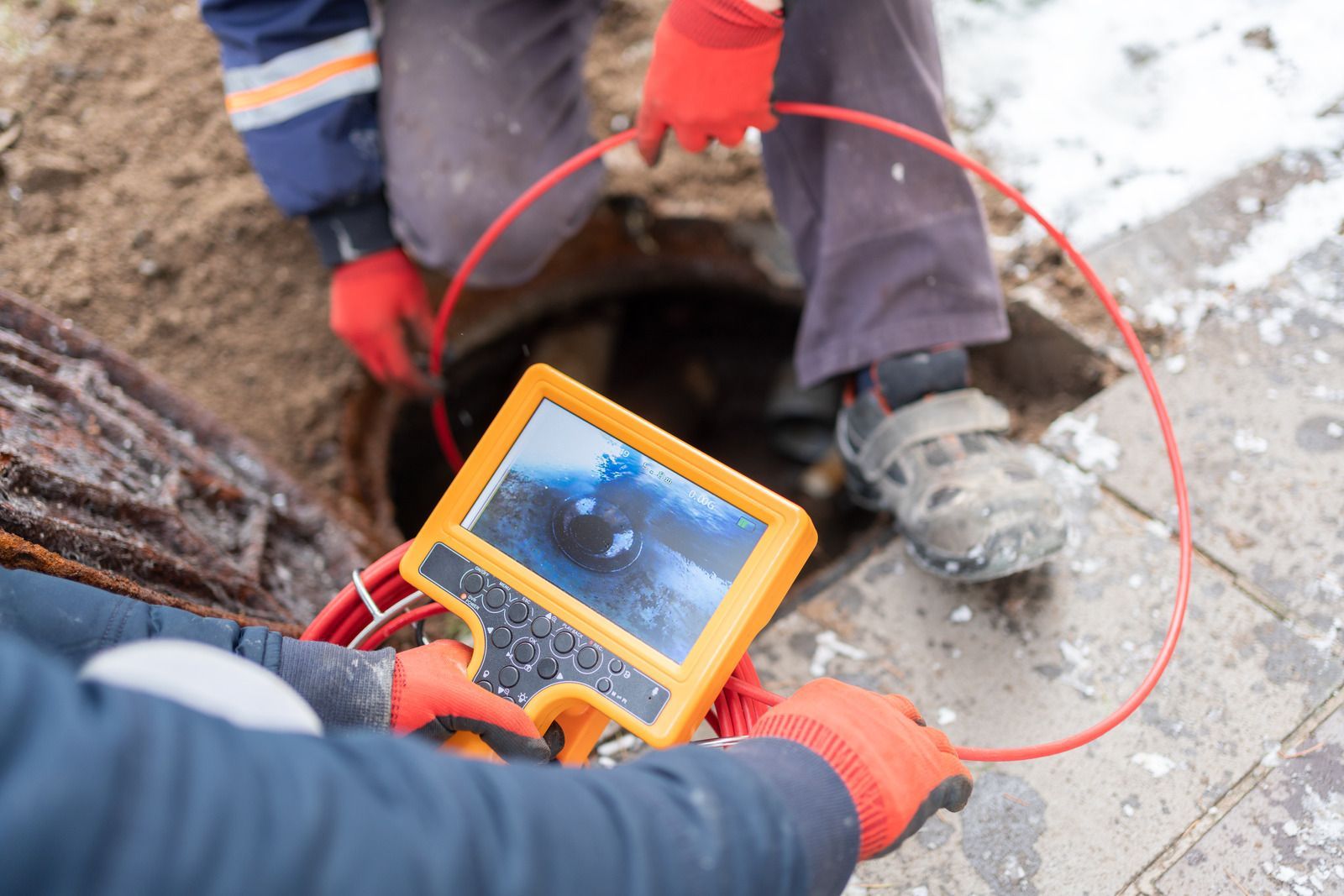
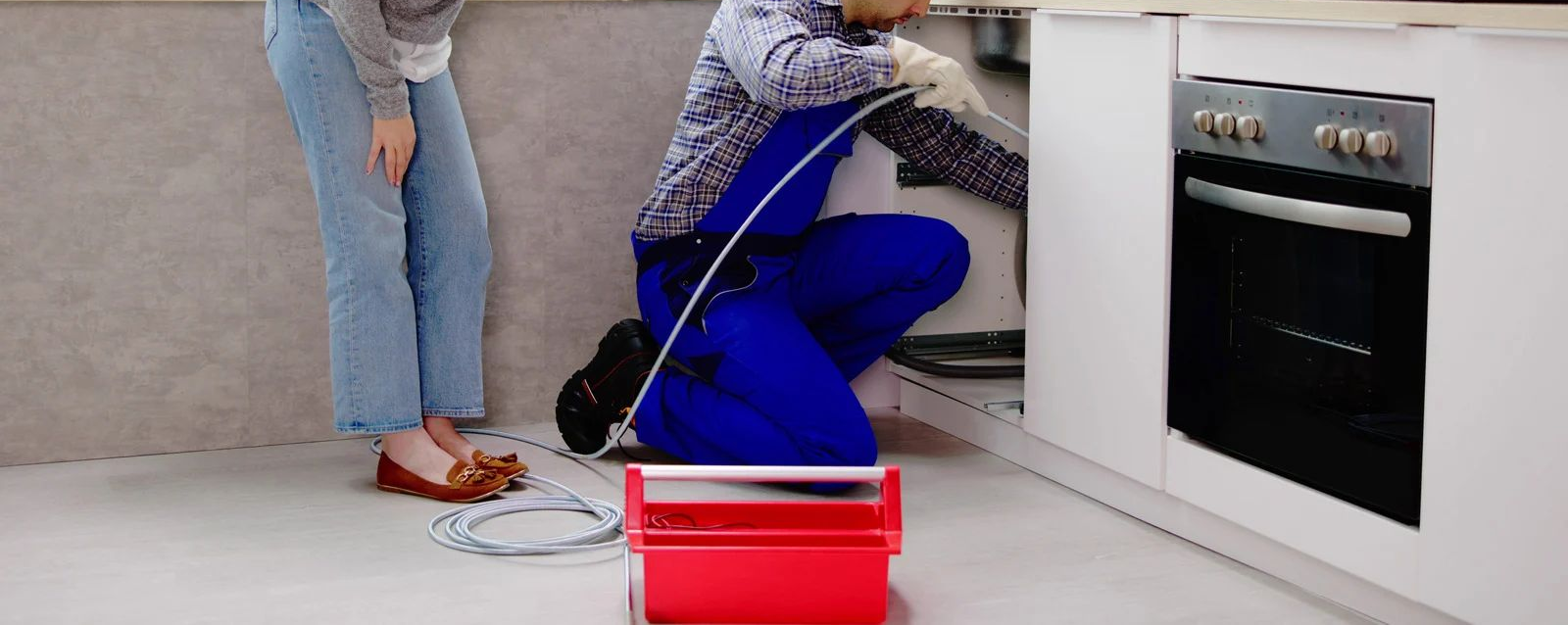
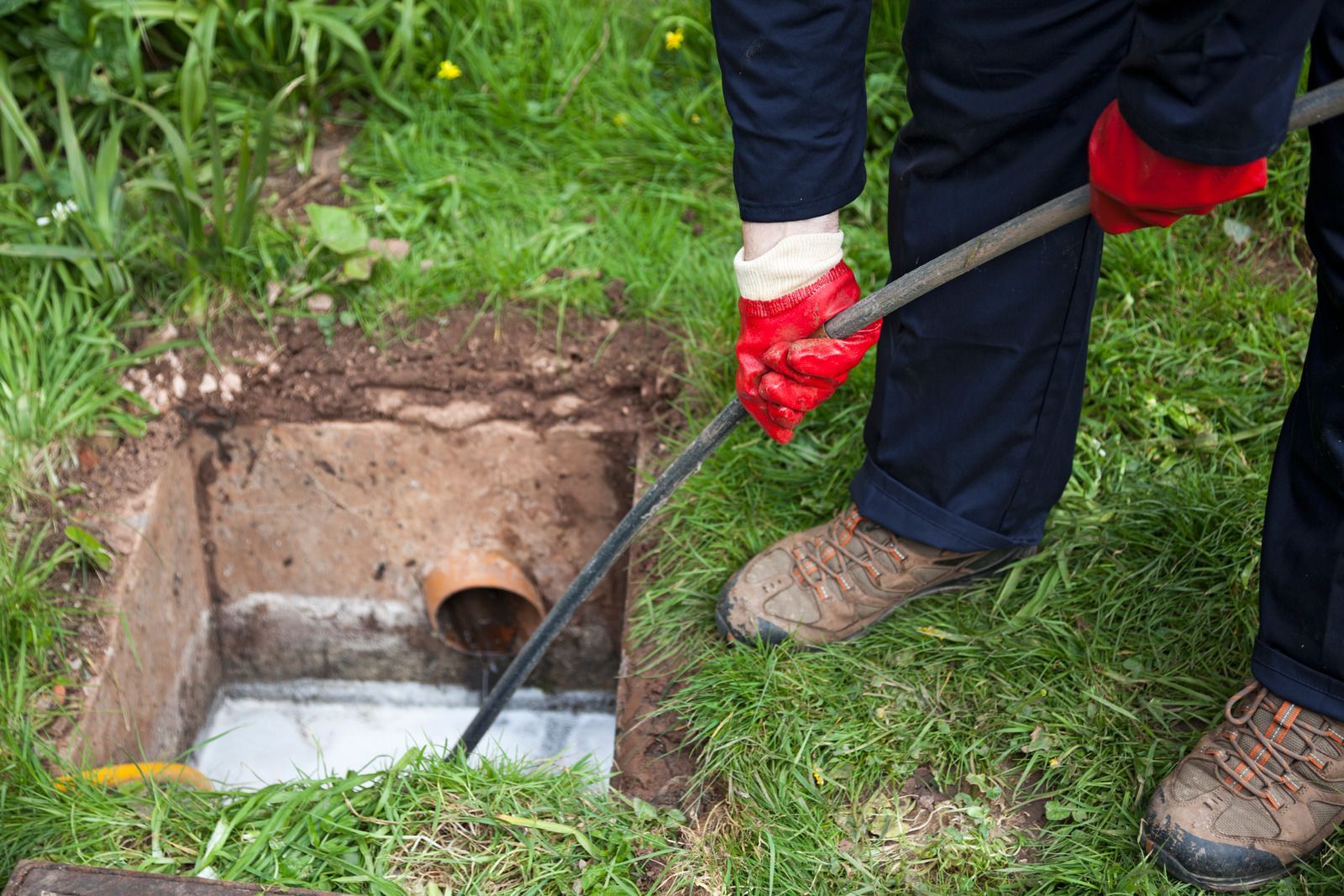
Snaking, or using a drain auger, involves inserting a flexible metal cable into a pipe to physically break apart and dislodge clogs. The auger’s head rotates to cut through blockages, such as hair, food particles, or small tree roots. Snaking is generally effective for localized clogs and is widely used due to its affordability and straightforward application.
Key Differences Between the Two
While both methods serve the same ultimate purpose, their approaches are distinct. Hydro jetting focuses on cleaning and maintaining pipes by forcefully removing all residue, whereas snaking primarily addresses immediate blockages. Understanding these differences helps homeowners and professionals determine which method best suits their specific plumbing scenario.
Effectiveness of Each Method
Hydro Jetting: Comprehensive Cleaning
Hydro jetting is particularly effective for clearing heavy grease, soap scum, and mineral buildup that accumulate over time. It can handle stubborn clogs caused by tree roots or invasive debris. Because it cleans the pipe walls, hydro jetting reduces the likelihood of recurring blockages, offering a long-term solution.
Example Scenario: A restaurant kitchen drain clogged with accumulated grease over years can be thoroughly cleaned with hydro jetting, restoring full flow and preventing future backups.
Snaking: Targeted Clog Removal
Snaking works best for straightforward blockages such as hair clogs in bathroom drains or food residue in kitchen pipes. It is less effective against hardened buildup or widespread contamination within the pipe system. However, snaking remains an accessible and cost-effective option for quick fixes.
Example Scenario: A bathroom sink clogged with hair or small soap accumulation can be rapidly cleared with a drain snake, providing immediate relief without the need for specialized equipment.
Long-Term Considerations
Hydro jetting generally offers a more permanent solution by preventing future clogs, whereas snaking may only temporarily resolve the issue. Repeated snaking can also risk damaging older or fragile pipes if performed frequently.
Cost Considerations and Efficiency
Hydro Jetting Costs
Hydro jetting typically involves higher upfront costs due to specialized high-pressure equipment and professional expertise requirements for safe, effective pipe cleaning. The price may vary depending on pipe length, clog severity, and accessibility challenges. While the initial investment is higher than snaking, the method’s thoroughness often reduces repeat service calls, ultimately making it cost-effective over the long term.
Snaking Costs
Snaking is more affordable and widely accessible, making it ideal for homeowners on a budget or for minor, occasional blockages in household plumbing systems. The equipment required is minimal, and many DIY snaking kits are readily available for convenience. However, repeated snaking can add up over time, especially if clogs recur frequently or if pipes require multiple attempts.
Time Efficiency
Hydro jetting can efficiently clear extensive blockages and clean the entire pipe network in a single professional session. Conversely, snaking may require multiple attempts if the clog is severe, widespread, or located in a long section of the plumbing system. Professionals often combine methods, initially using snaking to break clogs, followed by hydro jetting for thorough, comprehensive pipe cleaning.
Safety and Pipe Compatibility
Hydro Jetting Safety Considerations
Hydro jetting applies immense water pressure, which is highly effective but can potentially damage older, brittle, or corroded plumbing pipes if precautions are ignored. Professional assessment is crucial to determine pipe compatibility and prevent leaks, ruptures, or structural damage during cleaning. Despite the high pressure, when performed correctly by trained technicians, hydro jetting poses minimal risk and effectively preserves the structural integrity of modern plumbing systems.
Snaking Safety Considerations
Snaking is generally safer for older or fragile pipes because it applies less physical force during the cleaning process. However, aggressive or improper snaking can scratch, puncture, or otherwise damage pipes, especially if handled by inexperienced individuals. Frequent snaking in fragile plumbing systems can accelerate wear and tear, potentially reducing overall pipe lifespan if repeated excessively.
Pipe Material Suitability
- PVC Pipes: Both hydro jetting and snaking are typically safe, though hydro jetting requires moderate water pressure for optimal cleaning.
- Cast Iron Pipes: Hydro jetting is highly effective for heavy grease, scale, and buildup, while snaking works for smaller, minor clogs.
- Copper Pipes: Snaking is usually safer for thin copper pipes, as excessive hydro jetting pressure may damage delicate pipe walls.
Maintenance and Longevity Benefits
Hydro Jetting: Preventive Maintenance
Hydro jetting serves as a proactive, highly effective measure to maintain clean pipes and prevent recurring clogs in residential or commercial plumbing systems. By removing accumulated grease, mineral scale, and debris from pipe walls, it significantly enhances overall water flow efficiency and reduces the risk of future backups. Businesses, such as restaurants or large commercial facilities, often schedule annual hydro jetting services to protect critical infrastructure and minimize operational disruptions.
Real-World Example: A commercial property in Macomb, Michigan, successfully avoids costly emergency plumbing services by scheduling routine hydro jetting every 12–18 months, keeping drains consistently clear, efficient, and fully operational.
Snaking: Short-Term Solutions
While snaking provides immediate relief from localized clogs, it does not prevent new blockages from forming, as residual buildup often remains on pipe walls. Homeowners may require repeated snaking over time, which increases inconvenience, adds ongoing maintenance costs, and may accelerate wear on fragile plumbing systems.
Combining Methods for Best Results
In some situations,
professional plumbers use snaking initially to break through a tough clog, followed by hydro jetting to thoroughly clean and flush the entire pipe system. This hybrid approach leverages the strengths of both methods for maximum effectiveness, long-term protection, and improved overall pipe longevity.
Choosing the Right Method for Your Situation
Factors to Consider
- Severity of Clog: Hydro jetting excels with severe, widespread blockages, while snaking is usually sufficient for minor, localized plumbing issues in homes or businesses.
- Pipe Age and Material: Older, fragile pipes may benefit from snaking, whereas modern pipes typically withstand hydro jetting without sustaining damage or leaks.
- Frequency of Maintenance: For preventative maintenance, hydro jetting is the preferred choice due to its long-term effectiveness in reducing recurring plumbing problems.
- Budget Considerations: Snaking is more cost-effective for small, occasional clogs, whereas hydro jetting provides better value for frequent, persistent drainage issues.
Expert Recommendations
Plumbing professionals generally recommend hydro jetting for commercial applications and households with frequent drainage problems, while snaking remains reliable for smaller, isolated clogs or emergency plumbing situations. Proper assessment of plumbing infrastructure ensures the safest, most efficient solution.
Practical Tips
- Schedule professional inspections before hydro jetting older pipes.
- Avoid excessive DIY snaking to prevent damage.
- Consider a hybrid approach for stubborn, recurring clogs.
- Regular maintenance can reduce the need for emergency services and extend pipe life.
Trusted Plumbing Expertise Ensures Reliable Drain Solutions
Hydro jetting and snaking are both essential drain cleaning techniques, each with unique advantages and limitations. Hydro jetting delivers a thorough, long-lasting solution by cleaning entire pipe networks and removing buildup that can cause recurring clogs. Snaking offers a quick, targeted approach for minor blockages and is cost-effective for short-term needs. Factors such as clog severity, pipe material, maintenance frequency, and budget determine which method is most suitable. Understanding these differences empowers homeowners and property managers to select the most efficient, safe, and cost-effective approach for maintaining their plumbing systems.
For residents and businesses in Macomb, Michigan, Ready Jetter Plumbing
stands as a trusted authority in drain cleaning. With 25
years of experience, the company offers professional hydro jetting and snaking services tailored to your plumbing needs. Their expert team assesses each situation, recommends the most effective solution, and ensures long-term pipe health. Committed to reliability, safety, and customer satisfaction, we provide peace of mind with every service call, safeguarding your home or business against costly plumbing issues.