How to Extend the Lifespan of Your Home’s Plumbing System
A home’s plumbing system is one of the most critical components that ensures daily comfort, convenience, and hygiene. From delivering clean water to disposing of wastewater efficiently, plumbing forms the backbone of a functional household. Despite its importance, many homeowners overlook routine maintenance, often resulting in leaks, blockages, corrosion, and expensive repairs. With proper care, however, a plumbing system can last for decades, saving homeowners significant time, stress, and money. Understanding the principles of maintenance and adopting proactive measures are key to extending the life of these essential systems.
Plumbing longevity is not solely dependent on the materials or installation quality but also on everyday practices and regular inspections. Simple actions, such as monitoring water pressure, avoiding chemical drain cleaners, and scheduling
professional inspections, can dramatically improve performance and prevent major failures. By applying expert-recommended strategies and staying attentive to potential issues, homeowners can avoid costly emergencies and maintain a safe, efficient water supply. This blog will explore practical methods to maximize the lifespan of your home’s plumbing, providing actionable insights, real-world examples, and professional guidance for long-term system health.
Regular Inspections and Preventive Maintenance
Conduct Routine Visual Checks
One of the simplest yet most effective ways to protect your plumbing system is through routine visual inspections. Homeowners should regularly check exposed pipes, faucets, and drains for signs of leaks, corrosion, or unusual wear. Even small drips can indicate potential problems that, if left untreated, may lead to significant damage. For example, a minor leak under a sink might eventually cause mold growth, wood rot, or structural damage if ignored.
Schedule Professional Inspections
While homeowners can perform basic inspections, professional plumbing inspections are invaluable. Licensed plumbers use specialized tools to identify hidden issues, such as pipe corrosion, weak joints, or early-stage clogs. A professional can also detect subtle changes in water pressure or flow patterns, which might indicate underlying problems. Experts recommend scheduling a full plumbing inspection at least once every 12–18 months to proactively address concerns before they escalate.
Benefits of Preventive Maintenance
Preventive maintenance extends system longevity by reducing wear and tear, preventing blockages, and ensuring components operate efficiently. Homes with consistent maintenance schedules often avoid emergency repairs, saving significant costs over time. Additionally, proactive upkeep enhances water quality and reduces the risk of pipe bursts, particularly in older homes or regions with extreme weather conditions.
Water Quality Management
Monitor Water Hardness
Water hardness is a key factor in plumbing longevity. Hard water contains high levels of minerals, such as calcium and magnesium, which accumulate inside pipes, reducing flow efficiency and causing scaling. Scale buildup can damage fixtures, decrease water pressure, and shorten the life of appliances like water heaters. Installing water softeners or conditioners can significantly reduce mineral deposits, keeping pipes clear and functional for longer.
Address Corrosive Water
Some water sources may be slightly acidic or contain chemicals that accelerate corrosion in metal pipes. Regular water testing helps homeowners identify corrosive conditions early. For instance, copper pipes exposed to low-pH water may develop pinhole leaks, while galvanized steel pipes can rust internally, affecting both water quality and system performance. Corrective measures, such as pH balancing or installing protective filters, can prevent extensive pipe damage.
Filtration and Sediment Control
Sediment, rust particles, and debris in water can gradually erode pipe interiors and damage fixtures. Installing whole-home filtration systems or point-of-use filters can trap these particles before they cause harm. Sediment control is particularly important for homes with older plumbing systems, where even minor abrasion can lead to leaks and clogs.
Proper Usage and Daily Practices
Avoid Chemical Drain Cleaners
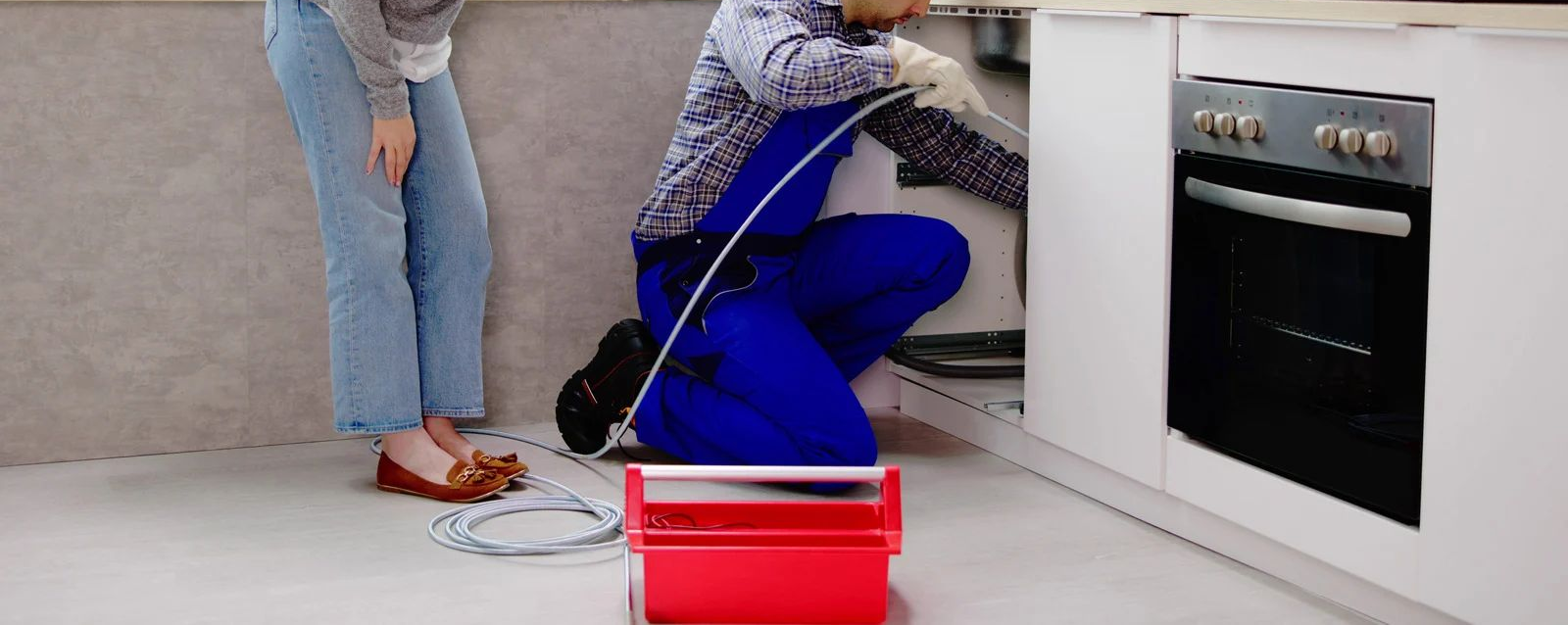
Chemical drain cleaners are a common, convenient solution for clogged drains but can seriously damage pipes over time. Harsh chemicals corrode metal pipes and degrade certain types of plastic piping. Instead, homeowners should rely on mechanical solutions, such as drain snakes or hydro-jetting performed by professionals, which clear blockages without compromising pipe integrity.
Mind What Goes Down the Drain
Preventing clogs begins with mindful usage. Avoid disposing of grease, coffee grounds, hair, or fibrous foods down kitchen and bathroom drains. These substances accumulate over time, creating stubborn clogs that require professional intervention. Simple habits, such as using strainers in sinks and showers, can drastically reduce the risk of drainage issues.
Maintain Optimal Water Pressure
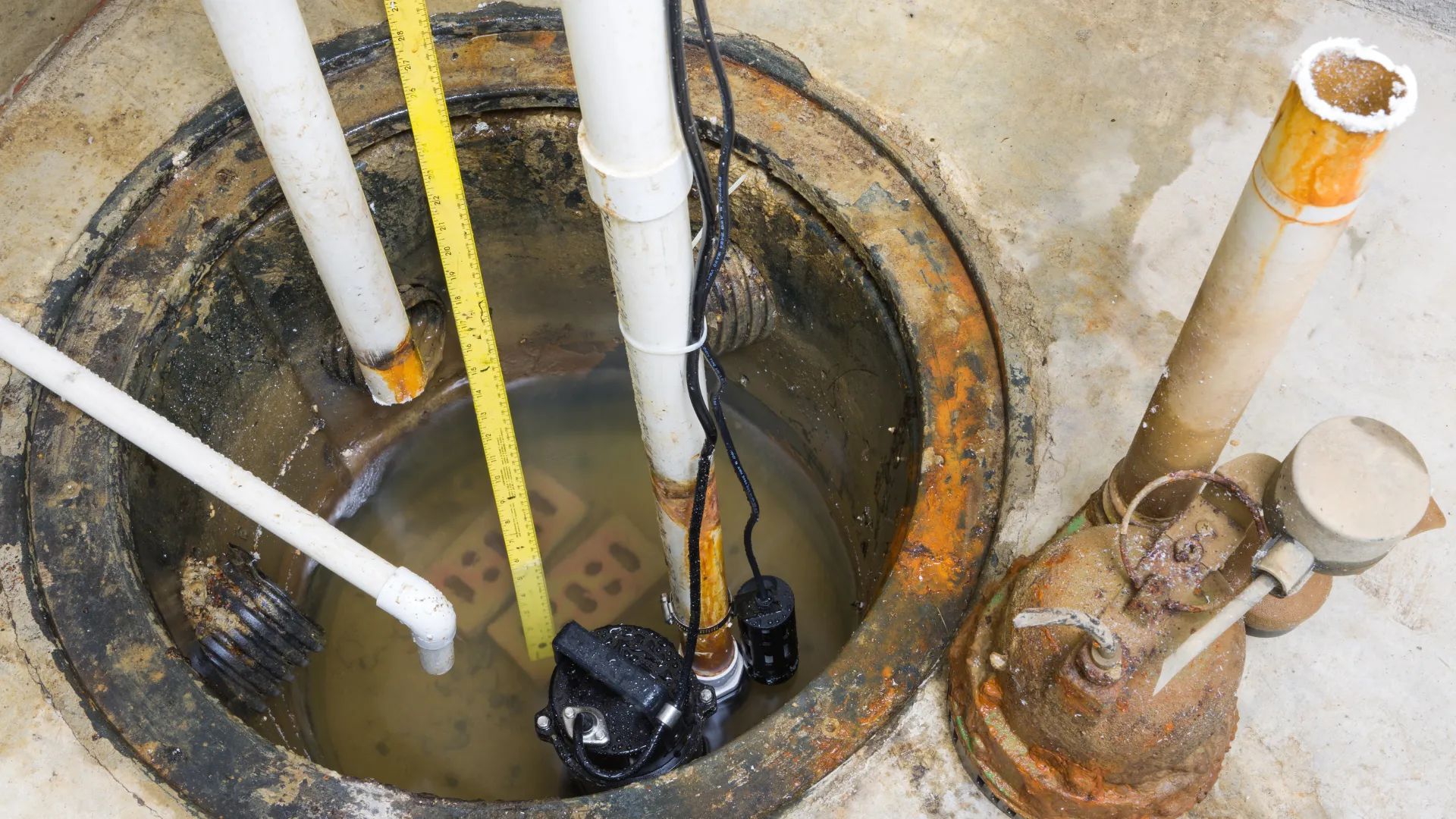
Excessive water pressure can strain pipes, joints, and fixtures, leading to leaks or premature failure. Installing a pressure-reducing valve ensures water flows at a safe, consistent rate throughout the home. Homeowners should monitor pressure using a gauge and adjust systems as needed, particularly in areas prone to high municipal water pressure.
Temperature and Seasonal Considerations
Protect Pipes from Freezing
In colder climates, frozen pipes pose a major risk. Ice formation can cause pipes to expand and burst, resulting in extensive water damage. Insulating exposed pipes, sealing gaps where cold air enters, and maintaining a consistent indoor temperature are essential preventive measures. During extreme cold spells, letting faucets drip slightly helps relieve pressure in vulnerable pipes.
Avoid Extreme Heat Exposure
Excessive heat can also affect plumbing, particularly for plastic pipes and fittings. High water temperatures can weaken plastic piping, leading to cracks or leaks. Water heaters should be set to a safe, recommended temperature—typically around 120°F—to prevent stress on the system while maintaining energy efficiency.
Seasonal Maintenance Checks
Seasonal transitions provide an ideal opportunity for system checks. Before winter, inspect for insulation gaps and leaks; before summer, ensure outdoor irrigation and water supply lines are functioning properly. Seasonal maintenance reduces the likelihood of weather-related failures and supports long-term system reliability.
Water Heater Care and Appliance Maintenance
Flush Water Heaters Regularly
Sediment accumulation in water heaters can reduce efficiency, cause corrosion, and shorten the lifespan of the tank. Flushing the system annually removes deposits and improves heating performance. For tankless water heaters, periodic descaling prevents mineral buildup that could impair functionality.
Inspect Valves and Connections
Valves, including pressure relief valves, play a critical role in preventing catastrophic failures. Regularly checking for leaks, corrosion, or improper operation ensures the system functions safely. Replacing worn-out valves promptly prevents water damage and protects the plumbing network.
Maintain Connected Appliances
Dishwashers, washing machines, and ice makers connect directly to the plumbing system and contribute to overall wear. Inspect hoses, connections, and seals periodically. Replacing rubber hoses every few years or when signs of wear appear prevents sudden bursts or leaks. Proper maintenance of appliances safeguards the plumbing system and enhances household safety.
Professional Interventions and Upgrades
Consider Pipe Replacement When Necessary
Even with diligent care, pipes eventually age and deteriorate. Homes with galvanized steel or older copper pipes may benefit from strategic replacements using modern, durable materials such as PEX or CPVC. Upgrading key sections of the system prevents recurring issues and enhances overall reliability.
Schedule Hydro-Jetting and Drain Cleaning
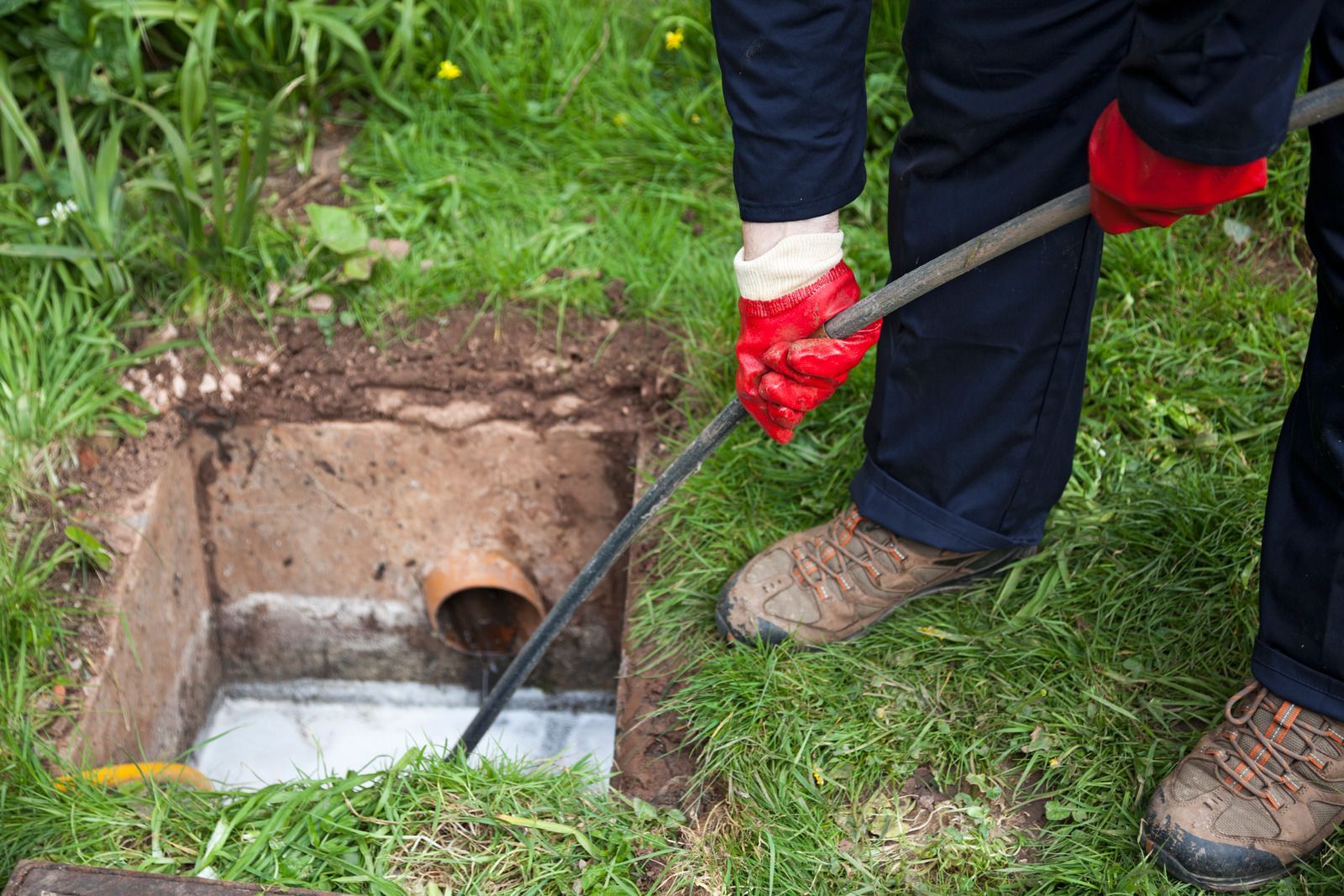
For stubborn clogs or slow drains, hydro-jetting is a professional solution that cleans pipes thoroughly without using corrosive chemicals. Regularly scheduling professional drain cleaning helps prevent backups, maintains water flow, and preserves pipe integrity over the long term.
Embrace Modern Plumbing Technologies
Smart water monitoring systems, leak detectors, and automated shutoff valves provide real-time alerts to potential problems. Integrating technology enables homeowners to respond promptly to leaks, pressure changes, or unusual usage patterns, mitigating damage and extending system lifespan.
Smart Water Usage to Reduce Pipe Stress
Monitor Daily Water Consumption
Tracking household water usage prevents excessive strain on pipes and fixtures. Simple practices, like shorter showers, running dishwashers at full loads only, and using high-efficiency appliances, reduce wear on plumbing components and conserve resources.
Install Water-Saving Fixtures
Low-flow faucets, showerheads, and toilets minimize pressure on the plumbing system while providing sufficient water for daily needs. Upgrading to water-efficient fixtures can significantly lower utility bills and reduce the risk of leaks or burst pipes caused by over-pressurization.
Emergency Preparedness for Plumbing Failures
Know Your Main Shutoff Valve
Familiarity with the main water shutoff valve can prevent extensive damage during leaks or bursts. Homeowners should locate the valve, ensure it functions properly, and practice turning it off quickly in emergencies.
Keep Essential Tools Ready
Stocking basic plumbing tools and supplies, such as wrenches, pipe tape, and leak sealants, allows for immediate response to minor issues. Prompt action can prevent small leaks from becoming major water damage events.
Ensuring Efficient Plumbing Through Proactive Maintenance Practices
Extending the lifespan of your home’s plumbing system requires a proactive approach combining regular inspections, proper water quality management, mindful daily practices, temperature considerations, appliance care, and professional interventions. By identifying potential issues early and maintaining consistent preventative measures, homeowners can reduce the risk of leaks, blockages, and costly emergency repairs. Emphasizing routine maintenance and modern solutions not only enhances system longevity but also ensures efficient water use, improved safety, and long-term savings.
Ready Jetter Plumbing, based in Macomb, Michigan, has been helping homeowners preserve and maintain their plumbing systems for 25
years. Our experienced team specializes in comprehensive inspections, preventive maintenance, and professional solutions, ensuring your pipes and fixtures remain in optimal condition. From routine water heater flushing to advanced drain cleaning and modern plumbing upgrades, we provide reliable, expert care tailored to your home’s unique needs. Trust us to protect your plumbing investment, minimize disruptions, and deliver peace of mind through decades of dedicated service and professional excellence.