How Tree Roots Impact Sewer Lines in Southeast Michigan
Quick Answer: Tree roots are one of the most common causes of sewer line problems, especially in older homes. Roots are drawn to the water, nutrients, and warmth inside a sewer pipe, and they work into the line through tiny cracks or loose joints, then grow into a dense mass that snags debris and blocks flow. Warning signs include slow or gurgling drains, recurring backups, and multiple fixtures draining poorly. Clearing roots usually means cutting them out and hydro jetting the line clean, plus a camera inspection to find where they're entering and how bad the damage is.
If your home has mature trees and an older sewer line, there's a quiet tug-of-war going on underground, and the roots are usually winning. Tree roots are one of the leading causes of sewer line trouble, and homeowners are often surprised to learn that the recurring backups or slow drains they've been fighting trace all the way out to a tree in the yard.
It makes sense once you understand what's happening: a sewer line is basically a buried pipe full of exactly what roots are looking for, and given any opening, they'll find their way in. In southeast Michigan, where many homes are older and built with clay or aging pipe and joints that roots can exploit, and where freeze-thaw works on those pipes year after year, root intrusion is an especially common problem. Understanding how roots get into sewer lines, the signs that it's happening, and how the problem is actually cleared can save you a lot of repeat backups and grief. Here's how tree roots impact your sewer line, and what to do about it.
Why Roots Target Sewer Lines
It can seem strange that roots would grow into a pipe, but from a tree's perspective, a sewer line is an ideal target, and that's the key to the whole problem.
Trees send their roots searching for water and nutrients, and a sewer line carries a steady supply of both, along with warmth. Even a sound pipe can give off a little moisture and vapor around its joints, and roots are remarkably good at sensing that and growing toward it. So a sewer line running through a yard with trees is essentially advertising exactly what roots want, and the roots respond by heading straight for it.
Once a root reaches the pipe, it only needs the smallest opening to get inside, a tiny crack, a loose or slightly separated joint, or a weak spot. Roots can work into openings far smaller than you'd expect. And here's the catch with older homes: clay pipe, aging joints, and pipe that's been stressed by decades of freeze-thaw and ground movement are full of exactly those small openings. That's why root intrusion is so closely tied to older sewer lines, the pipe gives the roots the way in, and the contents give them the reason. Newer, sealed pipe resists this far better.
How Roots Block the Line
Getting into the pipe is just the beginning. What turns root intrusion into a real plumbing problem is what the roots do once they're inside, and it's a gradual process that builds to a blockage.
Once a root tip is inside the pipe, it has found a jackpot of water and nutrients, so it grows, and grows fast. It branches out into a mass of fine roots filling the inside of the pipe, almost like a net or a wad stretched across the flow. That root mass does two things. First, it directly narrows and obstructs the pipe. Second, and this is the part that causes most backups, it acts like a strainer: the fibrous roots catch everything moving through the sewer, grease, paper, debris, and that material builds up on the roots, rapidly clogging the line far worse than the roots alone would.
So the progression is: roots get in, roots grow into a mass, the mass snags debris, and flow slows and then stops. This is why root problems tend to start as occasional slow drains and progress to full backups, the obstruction is steadily growing. And over time, as roots enlarge inside the pipe, they can also expand the cracks and joints they entered through, worsening the pipe damage itself. Left unchecked, root intrusion can go from a flow problem to a pipe-damage problem.
The Warning Signs of Root Intrusion
Roots in the sewer line usually announce themselves well before a full backup, if you know what to listen and watch for. Catching these signs early makes the problem much easier to deal with.
Slow drains throughout the house
When the main sewer line is partially blocked by roots, drains across the whole house, not just one fixture, tend to run slow, since they all feed that one line.
Gurgling sounds
Gurgling from drains or toilets, as air moves past a partial blockage, is a classic sign of trouble in the main line.
Recurring backups
A sewer line that backs up, gets cleared, and then backs up again weeks or months later is a hallmark of roots, the roots regrow and re-catch debris, so the problem returns on a cycle.
Multiple fixtures affected at once
When using one fixture affects another, flushing a toilet backs up a tub, or a sink drains slowly when the washer runs, that points to a main-line obstruction like roots.
A history that fits
Older home, clay or aging sewer pipe, and mature trees in the yard, that combination makes root intrusion a prime suspect when drain problems appear.
The theme is that root problems show up as whole-house, recurring drain issues rather than a single stubborn fixture. That recurring pattern especially, cleared and then back again, is the signature of roots, because they grow back. Recognizing it points you toward the real cause instead of repeatedly treating the symptom.
Tip: If you've had the same sewer line cleared more than once and the backups keep returning, treat that as a strong sign of roots, and ask for a camera inspection of the line. A sewer camera shows exactly what's in the pipe, whether it's roots, where they're entering, and what condition the pipe is in. That turns guesswork into a clear picture, so the line gets cleared properly and you find out whether the pipe itself needs attention, rather than just clearing the same clog again and again.
How Root Problems Are Cleared and Diagnosed
Because roots both block the line and keep growing back, dealing with them properly takes more than snaking out a clog once. The goal is to clear the line thoroughly and understand what's going on with the pipe.
Cutting the roots out
The roots inside the pipe need to be cut out and removed to restore flow. This clears the obstruction that's causing the backups.
Hydro jetting the line clean
This is where thorough clearing comes in. Hydro jetting uses high-pressure water to scour the inside of the pipe, cutting through the root mass and blasting away the roots and the debris they've collected, cleaning the pipe far more completely than a snake alone. For root-clogged lines, jetting restores the pipe much closer to full flow, which is why the problem stays away longer.
Camera inspecting the line
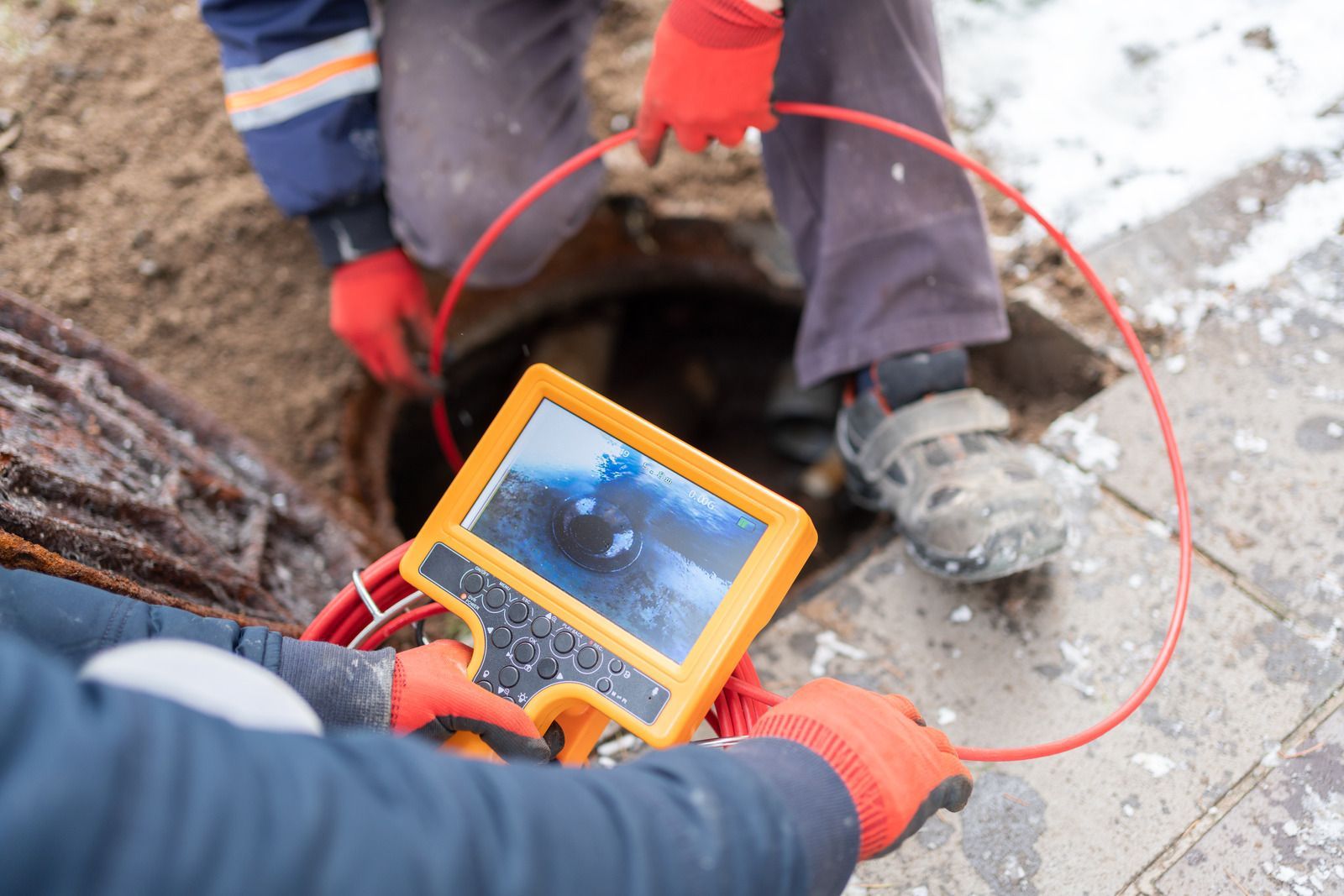
A sewer camera run through the line shows exactly where the roots are entering, how much pipe is affected, and the condition of the pipe, the cracks or joint separations the roots exploited. This is what turns a repeat-clog cycle into an actual diagnosis: you find out the source and the extent, not just that there's a clog.
Knowing the pipe's condition guides next steps
With the camera's picture, you can see whether clearing and jetting will keep the line working for a good while, or whether the pipe damage is significant enough that the line itself needs repair to truly stop the intrusion. Roots will keep coming back as long as the openings are there, so understanding the pipe is key to a lasting solution.
The point is that clearing roots properly, cutting and jetting, plus inspecting to understand the source and the pipe, is what actually addresses a root problem, versus snaking out the clog and waiting for it to return. It's the difference between managing the cycle and getting ahead of it.
Warning:
Don't ignore recurring sewer backups or try to handle a root-clogged main line with store-bought drain chemicals. Chemical cleaners do little against a established root mass and aren't a real fix, while the backups keep returning and the roots keep growing, enlarging the cracks they entered through and worsening the pipe damage. A sewer backing up into your home is also a sanitation concern. Root intrusion in a main sewer line is a job for a professional who can cut and jet the line and camera-inspect it to find the real source, before a flow problem becomes serious pipe damage.
Frequently Asked Questions
Why do tree roots grow into sewer lines?
Because a sewer line offers exactly what roots seek, water, nutrients, and warmth. Roots grow toward the moisture and vapor a pipe gives off, especially around joints, and once they reach it, they work in through any small crack or loose joint. A sewer line in a yard with trees is essentially advertising what roots want, so they grow straight for it and find their way in.
Why is this such a problem in older homes?
Because older sewer lines, clay pipe and aging joints, are full of the small cracks and separations roots need to get in, and decades of freeze-thaw and ground movement in our area create more of those openings. Newer, sealed pipe resists root intrusion far better. So the combination of an older line and mature trees makes roots a prime suspect for drain trouble.
What are the signs of roots in my sewer line?
Whole-house slow drains, gurgling from drains or toilets, multiple fixtures affecting each other, and especially recurring backups, cleared, then back again weeks or months later. That recurring cycle is the signature of roots, because they grow back and re-catch debris. An older home with clay pipe and big trees fitting that pattern makes roots the likely cause.
Can't I just snake it or use drain chemicals?
Snaking can punch through and restore flow temporarily, but it often leaves much of the root mass behind, so the clog returns. Store-bought chemicals do little against an established root mass and aren't a real fix. Properly clearing roots means cutting them out and hydro jetting the line clean, plus a camera inspection to find where they're getting in.
How does hydro jetting help with roots?
Hydro jetting uses high-pressure water to scour the pipe, cutting through the root mass and blasting away both the roots and the debris they've trapped, far more thoroughly than a snake. That fuller cleaning restores the pipe closer to full flow, which is why the backups stay away longer. It's the thorough clearing a root-clogged line needs.
Will the roots just come back?
Roots regrow as long as the openings in the pipe are still there, which is why a one-time snaking tends to fail. Thorough jetting clears them more completely and buys more time, and a camera inspection shows whether the pipe's cracks and joints are minor or significant. If the pipe damage is substantial, repairing the line is what truly stops the intrusion for good.
Why is a camera inspection worth it?
Because it turns guesswork into a diagnosis. A sewer camera shows exactly what's in the pipe, where roots are entering, how much line is affected, and the pipe's condition. That tells you whether clearing and jetting will keep things flowing well or whether the pipe itself needs repair, so you address the real source instead of clearing the same clog over and over.
Get Ahead of the Roots
Tree roots are one of the most common reasons older sewer lines back up, and the cycle is predictable: roots sense the water and nutrients in the pipe, work in through small cracks and joints, grow into a mass that snags debris, and steadily choke the line, only to grow back after a quick snaking. The signs, whole-house slow drains, gurgling, and especially recurring backups, point to roots well before a full backup. Clearing them properly with cutting and hydro jetting, and inspecting the line with a camera to find the source and check the pipe, is how you stop fighting the same clog and actually get ahead of the roots.
Stop the recurring backups that tree roots cause — Roots work into an older sewer line through small cracks, grow into a mass that snags debris, and back up your drains again and again, and a quick snaking just waits for them to grow back. With 25 years of experience, Ready Jetter Plumbing provides sewer line cleaning for homeowners throughout Macomb, Michigan, cutting and hydro jetting root-clogged lines clean while camera-inspecting them to identify exactly where roots are entering. Reach out to schedule a sewer cleaning and camera inspection and break the root cycle for good.